With one big cooking holiday down (Thanksgiving) and another mammoth of a food-waster coming up quick (Christmas!) most households probably have a lot of food and vegetable waste.
What should you do with leftover vegetable scraps?
You know, the butt of carrots, potato peels, mushy tomatoes. If you throw it into the trash can and send it down to the curb, it’s out of your house, but then what?
Channel4 in the UK wrote an article about visiting a landfill, a common feature of pretty much every country in the world by now. It’s something we don’t think about too much in our hectic, fast-paced, self-centered world these days.
According to an article by the Huffington Post, Americans throw away nearly half the food we buy each year.
This is a waste of good food, a waste of hard earned money, and a waste of valuable and diminishing space on this planet.
But if something in the back of your mind nags you every time you replace the trash bag, then this is one small step in the right direction for you.
We can all try to reduce the amount of food we buy at one time, plan properly to use the food we do buy each week, eat leftovers and creatively use leftover food, and find uses for even the most seemingly unusable scraps.
1. Compost
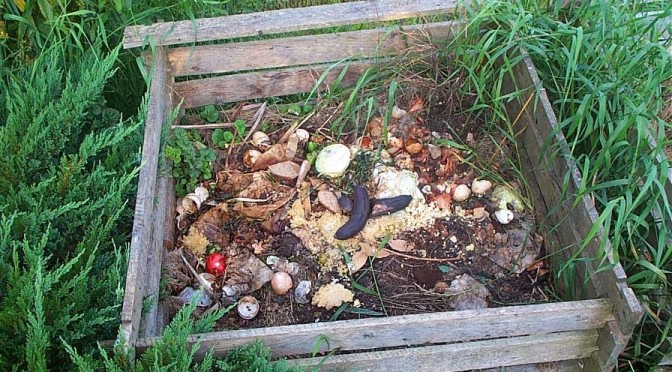
If you’re lucky enough to have a yard, then there isn’t much excuse to not have a compost pile.
Even if you ‘don’t have time’ or ‘don’t have space’ or ‘don’t have energy’ to have a garden, composting just makes sense, and you can spread it around trees or in flower beds or even give it away on Craigslist once made.
If done right it doesn’t smell bad, and merely requires occasional turning to aerate. There are certain things that are great for compose and others not so much. NEVER put meat or animal bones or fat into compost because they will attract wild animals and cause unwanted reactions.
For more information about how to build a proper pile see here.
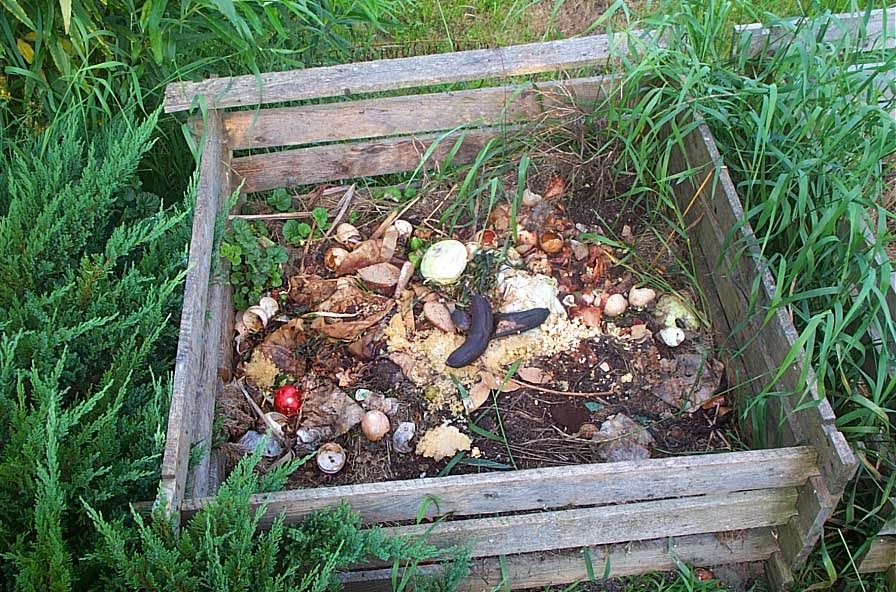 |
| Photo from I Dream of Eden. |
2. Muffins
This of course depends on the type of food scraps you have.
Carrot peels or leftover sweet potato can become carrot cake muffins, or be added to homemade coleslaw. If you have veggie pulp because of using a juicer, you can substitute that for part of the wet ingredients in a muffin mix.
Pay attention to what was in the pulp you juiced though. I think cucumber/grapefruit/kale muffins might be a little weird.
But who knows.

3. Vegetable stock
This is by far my favorite option, since I live in an apartment and don’t have composting access yet.
What I do is store all the scraps in a bag in the freezer as I make recipes. Potato peels, slightly brown pieces, ends of veggies, etc.
Once I have a full bag I put it in the Crock Pot and cover it with water, adding any other herbs and spices that sound good. Then just leave it on low overnight or all day, usually at least 8 hours.
The nutrients and flavors will boil out of the veggies and create a beautiful, healthy, salt-free stock you can then use in future recipes. The best part? It’s totally free!

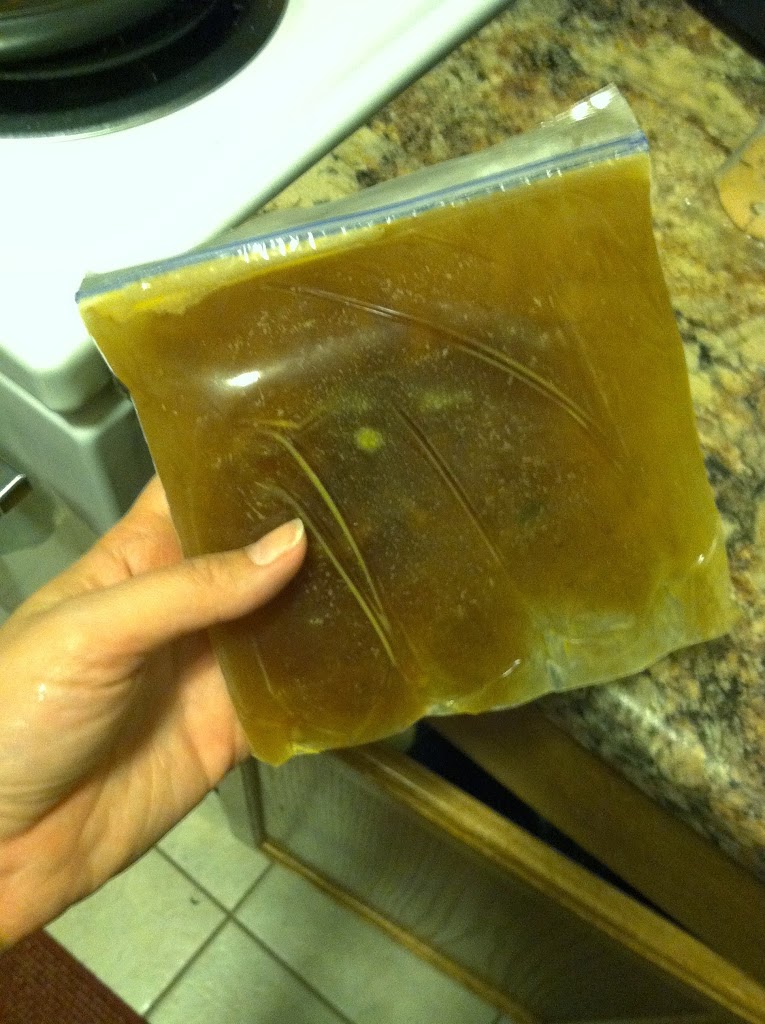
Just freeze the stock in plastic bags laid flat in the freezer, or in ice cube trays to make little cubes.
You can then pop these into soups, stews, flavor rice, or in whatever you normally use stock. This same theory works for meat as well.
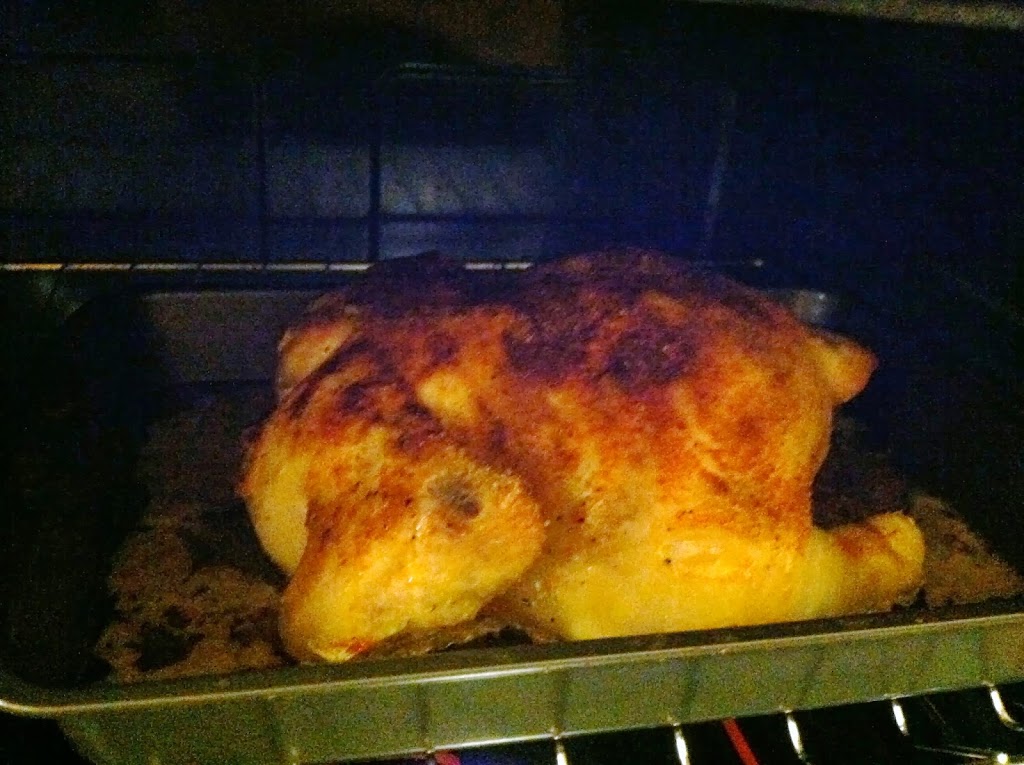
If you’ve made a lovely roast chicken and have the carcass left over, toss it in the slow cooker with some water for several hours. If you have shrimp tails, a bone-in pork roast, corn cobs, or some T-bones, do the same for some flavorful bases to use in the future.
If you know of a way to use leftover scraps not mentioned here, please share with us!