Vegan acorn squash & potato gnocchi

Acorn squash is a cheap, healthful, tasty, nutrient-packed way to get your fiber. It stores for pretty much forever on a shelf or in a cellar. The most common variety is deep green with an occasional orange spot on one side, though yellow, white, and variegated varieties have been bred. According to Wikipedia, though it is considered a winter squash it is in the same family of summer squash which includes zucchini and yellow squash. 

According to SELFNutritionData, one 4 inch squash has only 172 calories, a mere 4 of those are from fat. Zero cholesterol, and nearly no sodium as well. A single squash has a quarter of your daily recommended fiber, 30 percent of vitamin A, and nearly 80 percent of vitamin C. And as if that weren’t enough, it is mildly anti-inflammatory, gluten-free, and extremely low glycemic index. If I haven’t yet convinced you of what a super food acorn squash is, check out more Healthy Facts About Acorn Squash from the Healthy Eating website.

I had picked several squash a few months back at a local farm where for $30 you get to keep anything you can fit in a little red wagon. With some creative pyramid skills, I and some friends split quite a haul. I still had three acorns left, so I was trying to come up with something to do with it besides oven roasted with butter and brown sugar. Not that I don’t love it like that, I do, but I’d had that twice already in the past month. My mom suggested a recipe out of the blue for acorn squash gnocchi. As a good Slovak/Polish girl, I had grown up loving all types of pasta, gnocchi especially. The chewy, thick texture is completely unique.

She didn’t remember where the recipe came from so rather than try to remember it all, she told me to just Google it. My favorite current verb, “to Google”. I wish I could invent something so widely famous that the name becomes a verb. Anywho… The most intriguing recipe I found came from the blog the Girl in the Little Red Kitchen. This is someone who thinks like me, working in a very tiny place, using what she’s learned and instinct and creativity to come up with new and inventive recipes. Based mostly on that but with my own spin (mostly since I’m out of eggs currently), I present to you my Vegan Acorn Squash and Potato Gnocchi recipe.

Vegan Acorn Squash and Potato Gnocchi 

Ingredients:
1 acorn squash
3 medium potatoes
1 1/2 cup flour (plus extra)
2 tbsp water
1 tbsp oil
2 tbsp baking powder
1 tbsp salt

Sauce:
1 jar pasta sauce
1 can chickpeas
2 carrots
1/2 bunch celery


1. Cut the acorn squash in half and scoop out the seeds. If you like, you can rinse the seeds and save them for roasting at 350 for 15 minutes as a light snack.

2. Put the squash in the microwave cut side up with some water in the hole, microwave 5 minutes. Pour out the water, place cut side down and microwave another 5 minutes, then another 5 minutes for 15 minutes total. Squash should be soft when poked with a fork. Remove and set aside to cool.

3. Rinse three potatoes and stick on all sides with a fork. Microwave in 3 minute bursts for a total of 9 minutes.

4. Peel the squash and mash the insides in a large bowl. The peel should slip right off using your fingers, you can use a fork to help lift the squash out.

5. Peel the potatoes as well. If you grab it in both hands and twist, the peel should slide off easily if fully cooked. Mash them into the squash. Get a large pot of salted water to boiling.

6. In a small bowl, mix 2 tbsp water, 2 tbsp baking powder and 1 tbsp oil. This replaces one egg, so you can use one egg instead. But this is what makes the dough vegan. It should bubble a bit. Add to the squash/potato mixture, as well as the flour (which, if you’re gluten intolerant, you should use gluten-free flour), and mix well. Your hands work best, dough will be slightly sticky.

7. Flour your work surface and take a handful of dough. Roll it with your hands into a 1-2 inch thick log.

8. Cut the log into small, 1 inch cubes. You can try to shape them with a fork but I just tossed them in the pot like so.

9. Boil the pasta for 3-5 minutes. They should begin floating to the top of the water when fully cooked. Boil in batches. Don’t leave them in longer than about ten minutes or they will become mush. Remove to a strainer to let drain. Meanwhile you can start the sauce.

10. Open the chickpeas and drain. Add to blender along with the pasta sauce and puree until completely liquid, adding some water to thin if needed. If you have a juicer, juice the carrots and celery to add. If not you can simply omit them, or boil them for 20 minutes then add to the blender. I also added in a dash of Italian seasonings.

The gnocchi are chewy and salty, just how I like it. This pasta dough could probably be used to create any kind of pasta, with varying degrees of success. I ended up adding quite a bit more flour to help it stay together and be less sticky. It still ended up a little slimier than I would like, but I will try again.

My boyfriend is a hard-core carnivore, so I added some ground beef to the sauce. I didn’t tell him what it was before he tried it (bless his heart he will try anything once if I made it), and he said he actually liked it and would eat it again! Trust me, that’s a stellar review! These have all the taste and texture of traditional gnocchi with an added dose of fiber and vitamins. Why not?

Nutrition Information

For the gnocchi alone, SparkRecipes nutrition info:

  • Servings Per Recipe: 4
  • Amount Per Serving
  • Calories: 345.1
  • Total Fat: 2.9 g
  • Cholesterol: 0.0 mg
  • Sodium: 2,017.5 mg
  • Total Carbs: 72.8 g
  • Dietary Fiber: 6.7 g
  • Protein: 8.4 g


For the pasta sauce (minus ground beef), SparkPeople nutrition info:

  • Servings Per Recipe: 8
  • Amount Per Serving
  • Calories: 90.5
  • Total Fat: 0.6 g
  • Cholesterol: 0.0 mg
  • Sodium: 357.0 mg
  • Total Carbs: 18.3 g
  • Dietary Fiber: 3.9 g
  • Protein: 3.5 g


Therefore a 1-cup serving of pasta with 1 cup of sauce is only 435 calories and yet 10.6 grams of fiber and nearly 12 grams of protein!

Do you have a favorite way to cook squash?

Chai Apple & Brown Sugar Oatmeal

What is this, a post on Thursday?!? Why yes, turns out I’m just brimming with ideas and recipes lately, so I decided to add in Thursdays to my weekly Sunday/Tuesday posts. This way you get 33% more flavor and information! I’ll keep this up as long as I can y’all.

Warm oatmeal is one of my favorite comfort foods for a cold winter’s day breakfast. You can buy the store packaged versions, or make your own at home for much cheaper. All you need is some oats and whatever you like in your hot cereal. Chai Apple & Brown Sugar is my favorite combo. But try dried apricots and orange juice, or banana and blueberry. Sky’s the limit!

Ingredients:
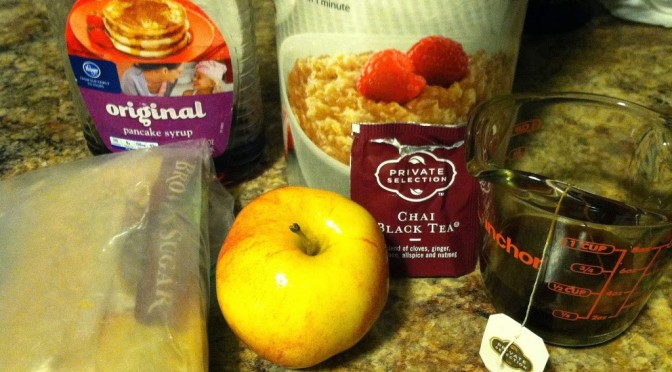
1 cup quick-cook oats
1/2 medium apple
1/4 cup chai tea concentrate (instructions below)
2 tbsp brown sugar
2 tbsp maple syrup
1 cup hot water or milk

Step 1: Place a chai tea bag into 1/2 cup water. Microwave for 5 minutes or boil on a stove, this will cause some evaporation and the chai tea flavor to concentrate. Chai tea has cinnamon, cloves, nutmeg and allspice in it which will add to the delicious taste and smell of the oatmeal! 

Step 2: Dice up the apple. In a bowl, mix the oats, tea, water or milk, sugar and apple pieces. Microwave for about 2 minutes. The apple will become soft, the oats cook, and all the flavors mix.

Step 3: Mix well and pour on a drizzle of syrup.
This warm, sweet, hearty breakfast will satisfy your taste buds and fill you up to keep you going until lunch.


What’s your favorite type of oatmeal?


What to Do With Vegetable Scraps

With one big cooking holiday down (Thanksgiving) and another mammoth of a food-waster coming up quick (Christmas!) most households probably have a lot of food and vegetable waste.

What should you do with leftover vegetable scraps?

You know, the butt of carrots, potato peels, mushy tomatoes. If you throw it into the trash can and send it down to the curb, it’s out of your house, but then what?

Channel4 in the UK wrote an article about visiting a landfill, a common feature of pretty much every country in the world by now. It’s something we don’t think about too much in our hectic, fast-paced, self-centered world these days. 

According to an article by the Huffington Post, Americans throw away nearly half the food we buy each year.

This is a waste of good food, a waste of hard earned money, and a waste of valuable and diminishing space on this planet.

But if something in the back of your mind nags you every time you replace the trash bag, then this is one small step in the right direction for you.

We can all try to reduce the amount of food we buy at one time, plan properly to use the food we do buy each week, eat leftovers and creatively use leftover food, and find uses for even the most seemingly unusable scraps.

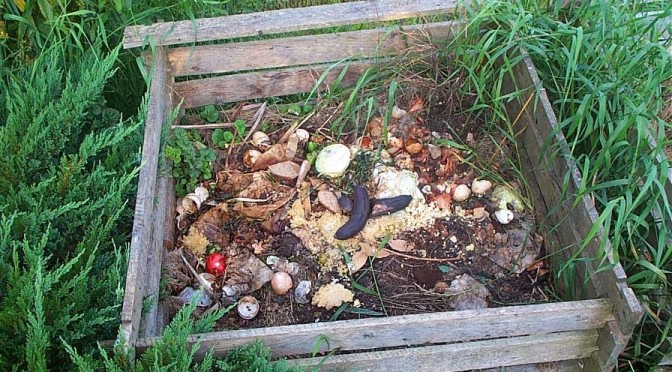
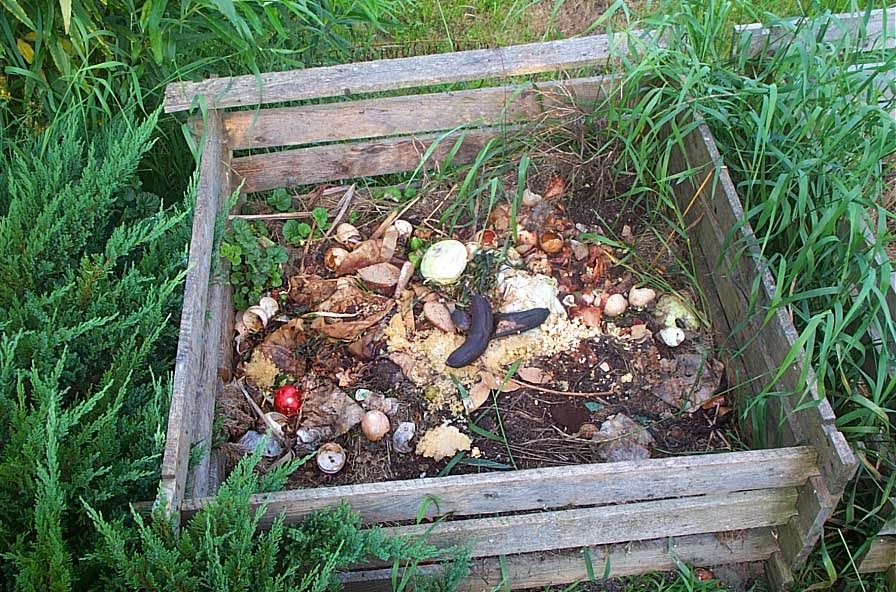
1. Compost
If you’re lucky enough to have a yard, then there isn’t much excuse to not have a compost pile.

Even if you ‘don’t have time’ or ‘don’t have space’ or ‘don’t have energy’ to have a garden, composting just makes sense, and you can spread it around trees or in flower beds or even give it away on Craigslist once made.

If done right it doesn’t smell bad, and merely requires occasional turning to aerate. There are certain things that are great for compose and others not so much. NEVER put meat or animal bones or fat into compost because they will attract wild animals and cause unwanted reactions.

For more information about how to build a proper pile see here.

Photo from I Dream of Eden.

2. Muffins
This of course depends on the type of food scraps you have.

Carrot peels or leftover sweet potato can become carrot cake muffins, or be added to homemade coleslaw. If you have veggie pulp because of using a juicer, you can substitute that for part of the wet ingredients in a muffin mix.

Pay attention to what was in the pulp you juiced though. I think cucumber/grapefruit/kale muffins might be a little weird.

But who knows.


3. Vegetable stock
This is by far my favorite option, since I live in an apartment and don’t have composting access yet.

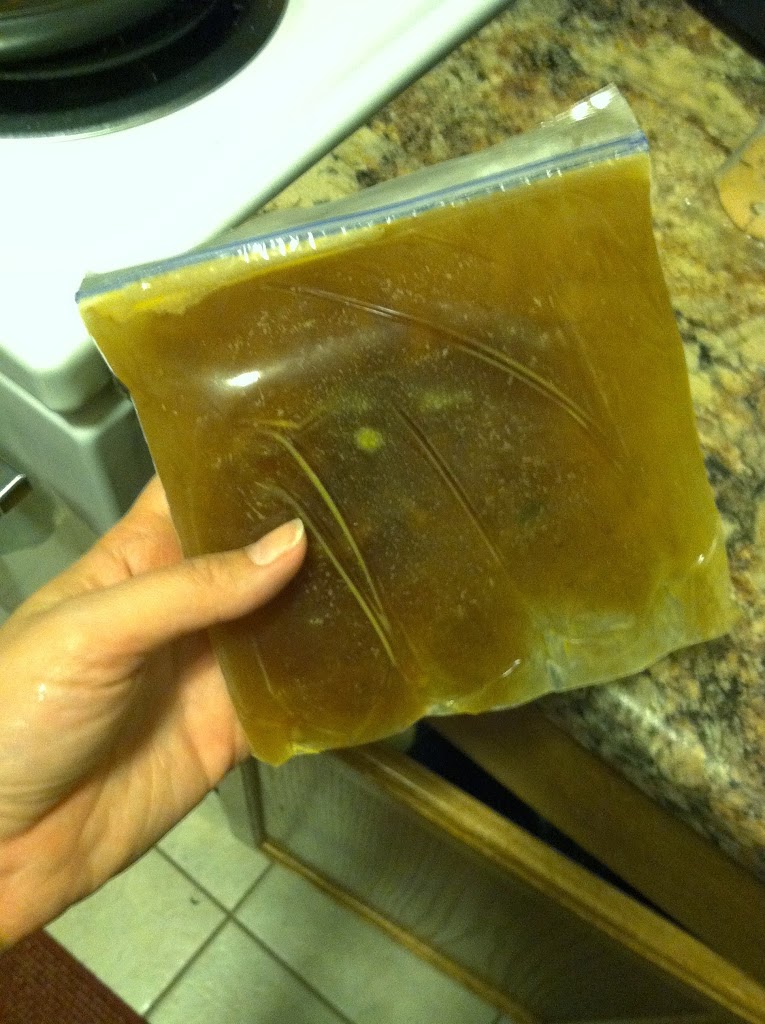
What I do is store all the scraps in a bag in the freezer as I make recipes. Potato peels, slightly brown pieces, ends of veggies, etc.

Once I have a full bag I put it in the Crock Pot and cover it with water, adding any other herbs and spices that sound good. Then just leave it on low overnight or all day, usually at least 8 hours.

The nutrients and flavors will boil out of the veggies and create a beautiful, healthy, salt-free stock you can then use in future recipes. The best part? It’s totally free!

Just freeze the stock in plastic bags laid flat in the freezer, or in ice cube trays to make little cubes.

You can then pop these into soups, stews, flavor rice, or in whatever you normally use stock. This same theory works for meat as well.

If you’ve made a lovely roast chicken and have the carcass left over, toss it in the slow cooker with some water for several hours. If you have shrimp tails, a bone-in pork roast, corn cobs, or some T-bones, do the same for some flavorful bases to use in the future.


If you know of a way to use leftover scraps not mentioned here, please share with us!


Avoiding Holiday Overeating

You’ve made it through Thanksgiving with a few pounds of meat, stuffing, potatoes, beans, cranberry and pie stuffed into your stomach. If you still made it under your daily expected calorie allowance, great job! We’re all proud of you.

If you didn’t, welcome to 90% of America. But don’t despair. Even if you had that extra slice (or three) of pecan pie, you still have time to make up for it before we ring in 2014. 

But how can I avoid overeating? you may ask, since Christmas is just around the corner, and everywhere I go tempting cookies, cakes, candies and buffets will be shoved in my face 24/7?

Never fear, dear readers, I have scoured the internets and personal experiences to come up with ways you can avoid the “December 15” (like the Freshman 15, except it accumulates every year and intramural soccer plus late teen metabolism no longer gets rid of it over spring break).


15 Tips to Avoid Overeating During the Holidays

 1. Have a plan
The best way to avoid any food traps is to have a plan of attack. Where are you going: an office party, a family reunion, a friend’s big bash? If you’ve been to a similar event, you’ll have an idea of what types and portions of food will be served.

Decide ahead of time how much and on what you expect to indulge, put that amount on your plate, and then avoid the food tables for the rest of the night.

2. Plan exercise
Part of a successful holiday weight maintenance plan is to follow your exercise routine, or start a new one. If you normally run three days a week, put it in your calendar in pen, and keep that appointment with yourself.

Even though holidays are crazy busy and all about spending time with family and friends, don’t forget that YOU time is important too. You can also make a more conscious effort to be more active in general. Go up and down the stairs for each ingredient you need, do squats while you mix dough, play with the pups or kids in the snow (or leaves, whatever your weather) and take an after-dinner stroll each day.

3. Bring your own snacks or meals
If you are going to a potluck, great! Whip up a healthy casserole or slow cooker dish you know won’t damage your waistline if you have seconds. You may even introduce someone else to a new favorite.

Stuff a small bag of nuts, cut veggies or fruit, or granola bars in your purse or coat pocket. That way you can tame cravings if hunger strikes without washing down bacon-wrapped-ham and double cheddar mashed potatoes with a gallon of egg nog.

4. Don’t skip meals
Remember that trying not to gain weight is NOT an excuse to skip meals. This actually slows your metabolism because you’re essentially telling your body that food is scarce now, to which it responds by holding onto every morsel you do eat in the form of fat. Be smart about what you eat, but please do continue to eat. Especially breakfast.

5. Be realistic 
It isn’t always possible to bring baby carrots and have a salad only while those around you nom on piles of holiday treats. Sometimes you have to judge the options and simply choose the best of what’s available. Holidays are busy, so there will also be days where you just can’t cook a healthy meal for yourself or don’t want to bother thinking about it. Just keep an eye on portion sizes and moderation is always key.

6. Allow occasional indulgence
As above, this is also important in “real” life. No one is perfect, we all have that holiday treat or two we wait all year for. Whether it’s Aunt Mary’s peanut brittle, grandma’s perfect pecan pie, or your family recipe for the perfect cookie, make sure to build some indulgences into your holiday eating plan. This helps keep you on track the rest of the time. 

7. Know your limits & when to say no
If there is a treat that you just cannot help yourself around, be mindful of that and remove the temptation. If you know you will eat every gingersnap in sight, don’t bake or buy nine dozen and leave them out on the table.

Also don’t accept and eat food just to be polite or out of a feeling of obligation. Learn how to say no politely, or say thank you and then move the treat along to someone else who will enjoy it.

8. Browse and graze
Before you hit a holiday buffet guns blazing and head back to your table with five plates full to the brim, take a lap. See what is there and prioritize the foods by what you like and don’t get to eat as often, then focus on those dishes.

Had green bean casserole seven times in the past week? Don’t waste space on your plate and in your stomach. Don’t really like stuffing, but feel it’s necessary? Forget about it.

On a similar note, you don’t have only one chance to eat each day. Pick a few tiny samples of things that look good and try them. Then stop. You can always go back for more or to try different things.

9. Focus on experiences, not the food
Rather than giving in to the holiday food-frenzy, make the season about the experiences. Take a walk in the wintry air, pick out a tree, share holiday stories with friends, or drive around to look at light displays.

Anything to take the focus off the sugar rush all around and create memories that will live in your mind and not in your abdomen.

10. Drink lots of water
This is just a solid tip every day of the year. Water is fantastic for your skin, hair, digestion, immunity, and more. It also helps you stay satisfied; a lot of the time we mistake hunger for thirst without realizing it.

Drink a big glass with lemon when you wake up, sip on some hot tea by the fire, have a glass o’ H2O between each alcoholic beverage, or challenge your cousin to a chugging contest. Do whatever it takes to get your daily 8 glass minimum.

11. Fill up on fruits and veggies
If there are any fresh, raw options, those are always your best bet. Allow some heavier foods too, but fill the majority of your plate with salad, cut veggies, and raw fruit. If you fill up on three cups of veggies, you’re still probably only 300 calories into your day!

12. Skip dips, dressings, and gravy
Some of the worst health offenders are well-known. Gravy, ranch dressings, fruit or veggie dips, anything cream or oil based. If you must have gravy on your potatoes, just go easy. They will taste fine with 1/4 cup versus 1 1/2 cups.

13. Observe yourself
Pay attention to trigger foods or situations. Don’t allow yourself to hang around near the food tables. Don’t eat if you aren’t hungry, just because the leftovers are there. Distract yourself by chatting with family you only see once a year, or making a new office friend.

14. Limit alcohol
Alcohol is a two-fold danger. For one, it has fairly high amounts of calories alone, and if you’re the type to enjoy fruity mixed beverages rather than the straight stuff the calorie count can become absurd quickly.

A 100 calorie shot or a 900 calorie peppermint kahlua with cream are both excess calories that don’t leave you feeling full.

Secondly, alcohol lowers our inhibitions. Who hasn’t gotten the “drunchies” after a night of partying hard, only to regret the next morning the 5000 calories’ worth of tacos we ate at 3am?

As above, drink a glass of water between each beverage, choose wine or hard liquor in small quantities, and behave yourself. Mostly.

15. Analyze your reasons
There are so many varied reasons for over-eating, what is it that prompts you to pick up that fork again? Are you hurt by family pokes about your current weight? Does being home make you feel like a kid again and you’re seeking comfort?

Do you feel left out if you don’t stuff yourself? Are you afraid that you’ll never have access to this particular kind of cookie again so you must eat two dozen tonight? Ask yourself why, be honest with the answers, and then be rational in how to deal with the issues.

Don’t forget: Forgive yourself for slip-ups
We are all human. That’s a fact of life. We all have goals and ideals, but we all will sometimes mess up.

And that is OK. Really.

If you just ate three days’ worth of food in one sitting before you even realized it, just acknowledge it happened, think about why, and resolve to not let it happen again. And probably seek some pink liquid help for the severe stomachache you now have.

For more great articles on holiday overeating and how to avoid it:

California Pacific Medical Center
GroupHealth
AmIhungry.com
Prevention Magazine
Huffington Post


How do you say “no” to seconds of the holiday ham or cookies that are calling your name?