Buttery Garlic Mashed Potatoes


Ahhh, the humble potato. This starchy, much-maligned root vegetable that is a darling and then an outcast, depending on which way the media winds blow. The reason Ireland didn’t completely starve to death. The bearer of cream cheese, chives, and chili.

Potatoes are pretty cool.

Origins of the Potatovarieties of potatoes on a map

The potato is the world’s fourth largest food crop, following rice, wheat, and maize. There are many many different types, or cultivars, or potatoes, from blue to red to yellow to the hardy workhorse russet.

The highest potato yields are produced in the United States, in Oregon, Washington, and Idaho. Burbank Russet potato harvest begins in late August or early September and ends by the first of November. Idaho’s harvest begins in September after Labor Day and ends by the first of November. Available year round, November to late June Burbank Russet supplies come from storage potatoes.

The Inca Indians in Peru were the first to cultivate potatoes around 8,000 BC to 5,000 B.C. Then in 1536 Spanish Conquistadors conquered Peru, discovered the wonderous flavors of the potato, and carried them to Europe.  Before the end of the sixteenth century, families of  sailors began to cultivate potatoes along the  coast of northern Spain.  Sir Walter Raleigh introduced potatoes to Ireland in 1589 near Cork.

Eventually, Europeans found potatoes easier to grow and cultivate than other staple crops, such as wheat and oats. Most importantly, it became known that potatoes contained most of the vitamins needed for sustenance, and each acre of land cultivated could provide a year’s worth for nearly 10 people. Talk about an agricultural feat!

In the 1840s a major outbreak of potato blight swept through Europe, wiping out the potato crop in many countries. The Irish working class lived largely on potatoes, so when the blight reached Ireland, their main staple food disappeared. This famine left many poverty-stricken families with no choice but to struggle to survive, starve, or emigrate out of Ireland. Over the course of the multi-year famine, almost one million people in Ireland and Europe died from starvation or disease. Another one million people left Ireland, mostly for Canada and the United States.

IMG_9264

Potatoes arrived in the Colonies in 1621 when the Governor of Bermuda sent two large chests containing potatoes and other vegetables to Governor Francis Wyatt of Virginia at Jamestown.  The first permanent potato patches in North America were established in 1719 in New Hampshire.  From there, the crop spread across the country.

Idaho, the present-day largest producer of potatoes, did not begin growing potatoes until 1836, when missionaries moved west in an effort to teach the native tribes to grow crops instead of relying upon hunting and gathering methods.  However, it wasn’t until 1872 when the Russet Burbank variety was developed, that the Idaho potato industry began to flourish.

The original Russet Burbank potato clone was discovered in the 1870s by Luther Burbank and was called “Burbank’s Seedling”. It developed from a first generation seedling of an open-pollinated cultivar “Early Rose” in Massachusetts. In the late 1800s, he marketed this special seedling to Western states, under the name “Burbank”. The Russet Burbank potato became and still is the major cultivar grown in the USA, especially in the Pacific Northwest. – Read more here.

French Fries were introduced to the U.S. when Thomas Jefferson served them in the White House during his Presidency of 1801-1809.  Collinet, chef for French King Louis Phillipe unintentionally created soufflés (or puffed) potatoes by plunging already fried potatoes into extremely hot oil to reheat them when the King arrived late for dinner one night. To the chef’s surprise and the king’s delight, the potatoes puffed up like little balloons.

In 1853 railroad magnate Commodore Cornelius Vanderbilt complained that his potatoes were cut too thick and sent them back to the kitchen at a fashionable resort in Saratoga Springs, NY. To spite his haughty guest, Chef George Crum sliced some potatoes paper thin, fried them in hot oil, salted and served them. To everyone’s surprise, Vanderbilt loved his “Saratoga Crunch Chips,” and potato chips have been popular ever since.

The good historians at “potatogoodness.com” supplies this list of fun facts about the humble, yet oh-so-popular spud.

Did you know…

  • During the Alaskan Klondike gold rush, (1897-1898) potatoes were practically worth their weight in gold. Potatoes were valued for their vitamin C.  And gold, at that time, was more plentiful than nutritious foods!
  • In October 1995, the potato became the first vegetable to be grown in space. NASA and the University of Wisconsin, Madison, created the technology with the goal of feeding astronauts on long space voyages, and eventually, feeding future space colonies.

The Incas had many uses for potatoes other than dinner:

  • Placed raw slices on broken bones to promote healing
  • Carried them to prevent rheumatism
  • Ate with other foods to prevent indigestion.
  • Measured time: by correlating units of time by how long it took for potatoes to cook.
  • Various folk remedies recommend using potatoes:
  • Treat facial blemishes by washing you face daily with cool potato juice.
  • Treat frostbite or sunburn by applying raw grated potato or potato juice to the affected area.
  • Help a toothache by carrying a potato in your pocket.
  • Ease a sore throat by putting a slice of baked potato in a stocking and tying it around your throat.
  • Ease aches and pains by rubbing the affected area with the water potatoes have been boiled in

http://www.potatogoodness.com/all-about-potatoes/potato-fun-facts-history/

IMG_9265

Ingredients:

  • 4-5 large Russet potatoes
  • 4 tbsp butter
  • 4 tbsp sour cream
  • 1/2 cup milk
  • Garlic salt to taste
  • Shredded cheddar, optional

IMG_9272

Step 1: If you really want to, peel your potatoes. I just give them a good rinse, because the skin is where the gorgeous vitamins are most concentrated. Dice the potatoes, and boil them for 15-20 minutes. Drain and put back into the pan.

IMG_9273

Step 2: Using a fancy potato masher (or a simple spoon, fork, your hands, a wooden spoon…) mash up the potatoes. This part will take a little elbow grease, but think of how toned your bicep (at least, one of them) will be afterwards!

IMG_9293

Step 3: Add in the butter while the potatoes are still hot. Continue mashing, and add in the sour cream and milk. If you like your potatoes super runny, add more milk. If you like them thicker, use less. Mash until your desired consistency (I love just a little bit of chunks still left).

IMG_9294

Step 4: If using, sprinkle on some sharp cheddar cheese, and add garlic salt to taste. (Add some, mix it well, taste a little spoonful. Then add another 6 tablespoons, stir again, and taste…repeat as necessary)

IMG_9296

Your potatoes are ready to roll! Top with some fresh chives or herbs, more garlic salt, chili, gravy, sauce, whatever…

IMG_9302

These are an amazing, down-home side dish. Goes great with meatballs, meatloaf, ribs, steak… pretty much any meat thing. If you make a whole lot extra, you can use the leftovers to top shepherd’s pie, or use it as a filling in classic potato pierogi.


[amd-zlrecipe-recipe:36]


The B Vitamins

If you haven’t had a chance yet, go check out my intro article “What are Vitamins” for a short summary of what they do and why you need the various A through K vitamins.

There are many B vitamins, together referred to as the “B complex” often. This is because when vitamins were first being discovered and named, a Polish biochemist named Kazimierz Funk isolated what he called a “vital amine” from blood and named it factor B, as the second such compound which had been discovered.

Later is was realized that what he had isolated was in fact a mixture of several compounds, the B vitamins. Several of these compounds turned out to be for other processes which caused them to lose standing as a “vitamin” (hence the jumping around in the numbering system). As you can see, the history of the vitamin B complex as we know it today was a bit… complex.

—The B Vitamins—

b-vitamins-2

Vitamin B1 — a water-soluble vitamin also called Thiamine, this vitamin is needed to turn carbohydrates into energy, for muscle contraction, for healthy digestion, and to enable nerve signaling. You can get your Thiamine from whole grains, peas, edamame (or soybeans), nuts, seeds, brown rice, eggs, liver, and pork.

Not getting enough thiamine may cause weakness, fatigue, nerve damage, or psychosis. Deficiency is seen most often in those who abuse alcohol. Excess alcohol makes it more difficult for the body to absorb thiamine from food. This can lead to a disease called beriberi. At its most severe, thiamine deficiency can cause brain damage, leading to Korsakoff syndrome or Wernicke’s disease. The same person may develop either or both these diseases. There is no known poisoning linked to too much thiamin consumption.

RDA for adult males = 1.2 mg/day, for females = 1.1 mg/day, if pregnant or breast-feeding = 1.4 mg/day.

Vitamin B2 — a water-soluble vitamin also known as Riboflavin, it is important for releasing energy from carbohydrates, digestion of fats and proteins, red blood cell production, and protection of the nervous system. It can be found in green leafy vegetables (mustard greens, spinach, kale), legumes (peas & soybean), nuts, dairy, fish, meat, eggs, yeast extract, and fortified breads & cereals.

Riboflavin is destroyed by light exposure, so limit storing foods containing this vitamin on the counter in the open. Store them in a closed bread box, cabinet, or the refrigerator instead.  Because many if not most of our bread and cereals are fortified (meaning riboflavin is added to the product) riboflavin deficiency is quite rare. Symptoms include anemia, mouth sores, and swelling of the mucous membranes. There is no known poisoning associated with high levels of B2 intake.

RDA for adult males = 1.3 mg/day, for females = 1.1 mg/day. Slightly higher if pregnant or breast-feeding.

Vitamin B3 — a water-soluble vitamin also known as Niacin or niacinamide in manufactured form, it is found in a variety of foods, including liver, chicken, beef, fish, cereal, peanuts, and legumes, and is also synthesized from tryptophan, an essential amino acid found in most forms of protein. Best sources include organ meats (such as liver, which makes great pasta sauce or heart, which you can stir-fry), venison, whole grains, mushrooms, and yeast.

Niacin can be converted into niacinamide, and these are both precursors of NAD and NADP, important molecules in the process of hydrogen transfer, catabolism of fat, carbohydrate, protein, and alcohol, cell signaling and DNA repair, as well as anabolism reactions such as fatty acid and cholesterol synthesis. A severe deficiency in B3 leads to pellagra, a painful disease characterized by diarrhea, dermatitis, inflammation, and eventual dementia.

RDA = 14 mg/day for women, 16 mg/day for men, and 18 mg/day for pregnant or breast-feeding women.

Vitamin B5 — also called Patothenic acid or pantothenate, is water-soluble. It is required for our bodies to synthesize coenzyme-A (CoA) an acyl-carrier required for the citric acid cycle leading to ATP synthesis, as well as metabolizing proteins, carbohydrates, and fats. This vitamin is found in nearly every food, with avocados, legumes, eggs, meats, yogurt, and whole grains as the largest sources. As a supplement in salt form it may improve oxygen utilization efficiency and reduce lactic acid accumulation in athletes.

Toxicity is unlikely, in fact there has been no established upper limit on this particular vitamin. As well, deficiency is extremely rare and as such has not been thoroughly studied. What symptoms we can observe are similar to other B vitamin deficiencies, including irritability, fatigue, aparthy, numbness, cramps, and hypoglycemia.

Insulin receptors are acylated with palmitic acid when they do not want to bind with insulin. Therefore, more insulin will bind to receptors when acylation decreases, causing hypoglycemia. Additional symptoms could include restlessness, malaise, sleep disturbances, nausea, vomiting, and abdominal cramps.[20]
RDA = varies with age from 2mg/day for children age 1-2 to 5mg/day for adult men and women, with a slight increase to 6-7 mg/day for pregnant or breastfeeding women.

Vitamin B6 — also called pyridoxine, is involved in the process of making several neurotransmitters in the brain, including serotonin and norepinephrine. These chemicals help your brain to regulate happiness and fear. Vitamin B6 is also involved in the formation of myelin, a protein layer that forms around nerve cells.

Mild deficiency of vitamin B6 is common. A more serious Vitamin B6 deficiency in adults may cause health problems affecting the nerves, skin, mucous membranes, and circulatory system, while in children all these as well as the central nervous system is affected. Deficiency can occur in people with kidney failure complications, liver scarring, overactive thyroid, alcoholism, inability to absorb nutrients, and heart failure, as well as those taking certain medications.

Major sources of vitamin B6 include cereal grains (whole wheat, barley, farro), legumes (peas, peanuts, black beans, pinto beans), vegetables (carrots, spinach, peas, and potatoes), milk, cheese, eggs, fish, liver, meat, and fortified or whole wheat flour. Vitamin B6 is often used with other B vitamins in vitamin B complex formulas.

Vitamin B6 has been studied for the treatment of many conditions, including anemia (low amounts of healthy red blood cells), vitamin B6 deficiency, lowering homocysteine levels, certain seizures in newborns, and side effects of the drug cycloserine. Evidence in support of other uses is lacking.

RDA = 1.3 milligrams in men and women ages 19-50; 1.7 milligrams in men aged 51 and older; and 1.3 milligrams in women aged 51 and older. The maximum daily intake of vitamin B6 in adults and pregnant or breastfeeding women over age 18 is 100 milligrams.

Vitamin B12 — also known as Cyanocobalamine, Vitamin B12 is an essential water-soluble vitamin that is commonly found in a variety of foods, such as fish, shellfish, meat, eggs, and dairy products. Vitamin B12 is important in DNA synthesis in every cell in your body. Vitamin B12 is bound to the protein in food. Acid in the stomach releases B12 from protein during digestion. Once released, B12 combines with a substance called intrinsic factor (IF) before it is absorbed into the bloodstream.

Vitamin B12 is frequently used in combination with other B vitamins in a vitamin B complex formulation. The human body stores several years’ worth of vitamin B12 in the liver, so low levels in the body are rare. Decreases in vitamin B12 levels are more common in the elderly, HIV-infected persons, and vegetarians. Inability to absorb vitamin B12 from the intestinal tract can cause a type of anemia called pernicious anemia. Fever and symptoms of “excessive sweating” have been reported with anemia due to low levels of vitamin B12; however, these are fixed with vitamin B12 treatment.

For vegetarians or vegans, it is important to know that B12 is found exclusively in animal products, and you are at risk of mild deficiency. Based on how strict your diet are, there are some non-meat options: eggs (1 chicken yolk gives 6% RDA, while goose or duck eggs contain higher levels), cheeses (Swiss has the most), whey powder (100g provides over 40% RDA), milk or yogurt (8-20% RDA per cup), and yeast or yeast extracts (such as Marmite or nutritional yeast). Of course, fortified foods and supplements also help. If you are concerned, please contact your health care provider or a nutritionist for a plan that’s right for you.

Recommended dietary amounts (RDAs) are 2.4 micrograms daily for ages 14 years and older, 2.6 micrograms daily for pregnant females, and 2.8 micrograms daily for breastfeeding females.

Folic Acid — also known as Vitamin B9, folic acid is naturally found in many foods, and folic acid is the synthetic form. Foods naturally high in folate include: leafy vegetables (such as spinach, broccoli, and lettuce), okra, asparagus, fruits (such as bananas, melons, and lemons) beans, yeast, mushrooms, meat and organ meat (such as beef liver and kidney), orange juice, and tomato juice.

Some conditions may increase your need for folic acid. These include:

  • Alcoholism
  • Anemia, hemolytic
  • Diarrhea (continuing)
  • Fever (prolonged)
  • Hemodialysis
  • Illness (prolonged)
  • Intestinal diseases
  • Liver disease
  • Pregnancy
  • Stress (continuing)
  • Surgical removal of stomach

Some studies have found that folic acid taken by women before they become pregnant and during early pregnancy may reduce the chances of certain birth defects (neural tube defects). Claims that folic acid and other B vitamins are effective for preventing mental problems have not been proven. Many of these treatments involve large and expensive amounts of vitamins. It is always best to get the majority of your daily vitamins from foods, such as by eating a large salad full of leafy greens before each meal.

RDA = children 75-400 mcg/day, Adults 150-400 mcg/day, pregnant fenales 400-800 mcg/day, and breastfeeding females 260-800 mcg/day.


Hopefully this has helped clear up a little bit of the confusion surrounding the illustrious B complex, and you have learned a little bit more about your body and what it needs to function at its best. These are some of the many reasons why your mom always told you to “eat your vegetables”, why Popeye was so empowered when he ate spinach, and why vegetables consistently rank at the top of ways to lose and maintain weight loss over time.


Disclaimer: I am not a licensed health care professional nor a registered dietitian. This article is intended to be informative and perhaps entertaining. I am not dispensing health advice or instruction. Consult your own health care professional and conscience before making any decisions regarding your diet and general health.


What are Vitamins?


A vitamin is defined as an organic compound that living organisms need in small amounts. Vitamins are essential for vibrant health, along with minerals and the main cellular building blocks of carbohydrates, proteins, and fats. We only need tiny amounts (usually under 100 milligrams or less, though there are a few exceptions) and as long as you eat a varied diet it should be no problem to get all you need daily.

Vitamins are usually classified by whether they are fat-soluble or water-soluble. Fat soluble vitamins dissolve in lipids, like olive oil or butter. These vitamins are best absorbed when paired with something containing a small amount of fat, however they can also be stored in fat cells and build up to potentially toxic levels. These vitamins include A, E, D, and K.

Fruit-pouring-onto-spoon

Water soluble vitamins are of course able to be dissolved in water. This makes eliminating excess from the body quite easy. However it also means we cannot store them as we can the fat-soluble kinds, so we need a daily supply.  It is difficult to reach toxic dosages of these vitamins, though it can be done. These include the B vitamins, folic acid, and vitamin C.

How much of each vitamin you need depends on a variety of factors such as gender, age, activity level, pregnancy, and more. There are RDAs (Recomended Daily Allowance) which is the average recommended amount, however you should consult your physician before beginning any new diet or supplement routine.

This post will cover all the vitamins which are not part of the “B complex”, the eight B vitamins you often hear of are B1, B2, B5, B6, B9, and B12. We will cover that in a later post: The B Vitamins.

Here we will discuss Vitamin A, C, D, E, and K. When vitamins were first discovered, Vitamin A was isolated first from butter and was named “factor A”. The next similar substance, isolated from rice, was named “factor B”. Discoveries followed in alphabetical order until “factor K”, which was named for “koagulation”, the German word for coagulation, because it helped blood to clot.

Continue reading What are Vitamins? →

Sweet Potato & Eggplant Vurgers


Veggie burgers have so much more potential than a frozen patty of flour, preservatives, and mushy veggie starch. I’ve written previous articles on making burgers out of pinto beans and quinoa, or incorporating broccoli slaw. A veggie burger is as simple as some cooked vegetables and some thing(s) to bind everything together into a patty.

IMG_8822

This recipe combines some of end-of-summer stars and healthy whole grain oats into a sweet and tasty patty that can be eaten on its own, in a bun or wrap, or over a salad of greens or grains. As always, substitute in whatever other veggies you have and like for those you don’t have or enjoy.

IMG_8818

Ingredients:

  • 1 small-med eggplant
  • 2 medium sweet potatoes
  • 1/2 red onion, diced
  • 1/2 cup shredded radishes
  • 1 cup whole oats and/or flour
  • 2 tbsp spices of choice
  • 1/4 cup olive oil

IMG_8819

Step 1: Dice up the eggplant, onion, and sweet potato. Peel the sweet potato if you don’t want pieces of peel in your burgers. You can pre-boil the potato if you want it to cook faster, or you can put it into a pan with a lid and slow-cook prior to adding the eggplant and onion. Cook all veggies until soft enough to mash with a fork.

IMG_8821

Step 2: In a large bowl, mash all the veggies together with a fork or potato masher. Add the oats & shredded radish, and mix until it begins to become sticky, such that you can shape patties from it. You can also add an egg if you need extra binding.

IMG_8823

For spices, I added in some garlic salt, paprika, and black pepper.

IMG_8824

Step 3: In a frying pan, pour the oil and heat it to medium. Shape the patties into small rounds with your hands. Fry the patties a few at a time, making sure they aren’t touching. Fry until crispy and brown, about 5-6 minutes each side.

IMG_8825

Step 4: Place the patties on a wire rack or paper towels to drain extra oil off the patties.

IMG_8827

You can use these just as you would a regular burger and top with pickles, lettuce, tomato, hot peppers, ketchup, mayo, etc.

IMG_8829


Lean Green Tuna Salad


We all have hectic days where we just don’t have time to pack a lunch with heart-shaped cheeses, individually peeled grapes, and 3-4 servings of vegetables included. Whether for yourself or some back-to-school young’uns, packing so many lunches all year long can get tiresome.

But don’t give up! As stated over and over again in financial writing, bringing a lunch is nearly always cheaper than a similar meal out at a restaurant, or even “fast casual” food places. While articles like the Simple Dollar point out that there is a large margin of what a brown bag lunch may cost, just keep track yourself for one week and you will soon see.

Even if you have the smallest of fast-food options (maybe half a $6 sandwich, and half the next day, for a total per day of $3, not including any drinks or extras), it is easy to create incredibly cheap meals for yourself at home, or even pack lunches which you can assemble wherever you are when it’s time to eat. Sometimes for even less than $1 a day!

IMG_0579

And with a little creativity, you can create these easy, cheap meals, and actually make them healthy too!  We’re talking several levels above ramen noodles, folks. Just check out my “less than 5” section for a plethora of ideas.

More ideas:

IMG_0574

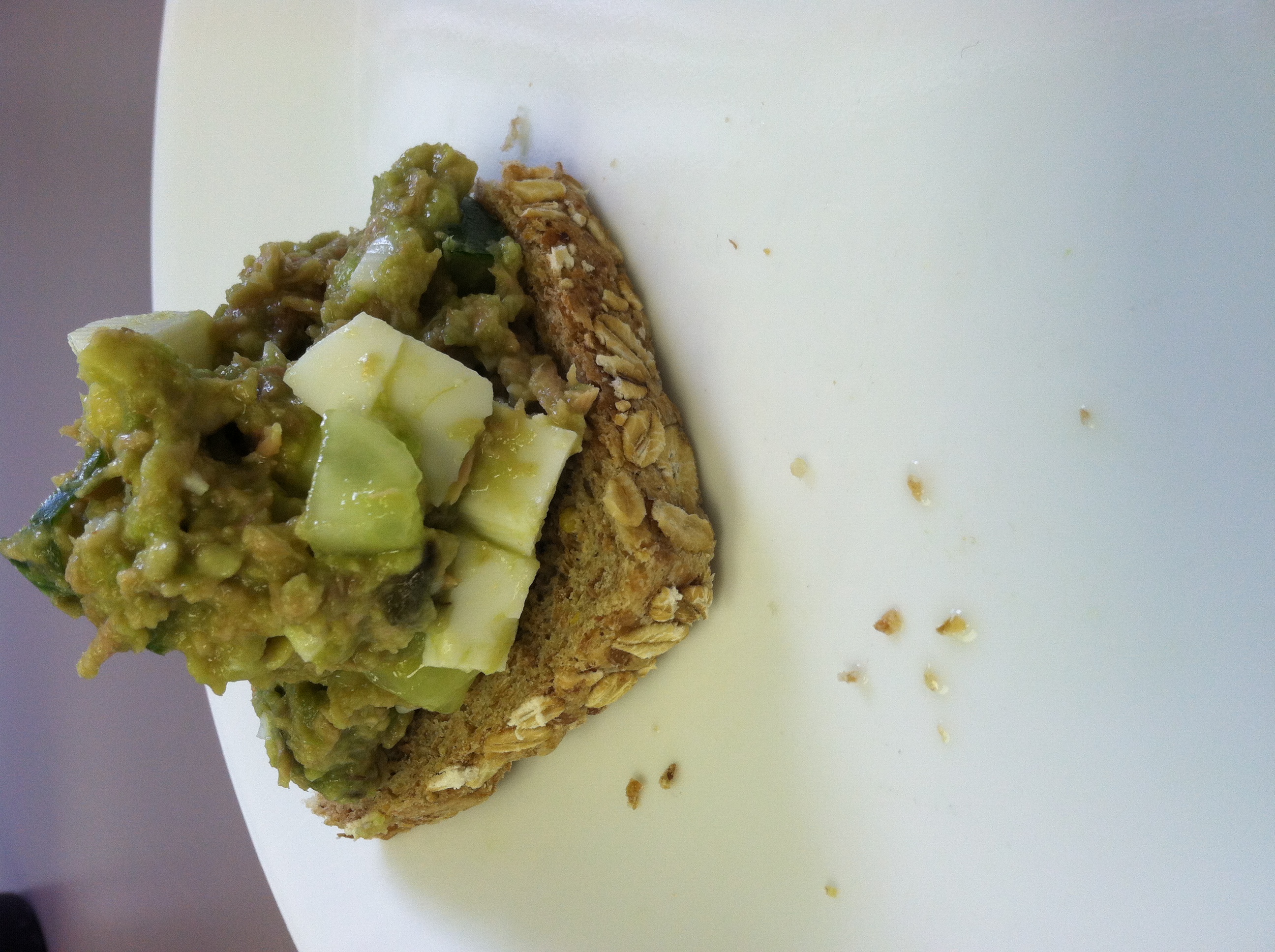
This recipe is a healthified tuna salad. By adding several kinds of vegetables you bulk up the salad with fiber and vitamins, and adding an egg gives the already 16g of protein an extra 6g boost. If you’re truly hard core, you can even forego the mayonnaise and just add lemon juice for a dash of flavor.

This is borderline vegetarian, if you are lacto-ovo vegetarian. It is extremely healthy, especially if you omit mayo. You can pack all the ingredients in a cooler and assemble at your desk or at school. If you buy tuna on sale, you can get it for $0.30 a can. 1/2 avocado + 1/2 cucumber is slightly less than $1.

Add another $0.50 or so for one egg and a few cents for lemon juice and any seasonings, and you have a hefty lunch/appetizer/dinner for about $2. Add a few big leaves of romaine for a dinner of tuna salad wraps, or serve over a big bed of lettuce with some nuts and berries for a more filling option.

Ingredients:

  • 1 can or pouch chunk tuna in water
  • 1 hard boiled egg
  • 1/2 cucumber, diced
  • 1/2 avocado
  • 2 tbsp lemon juice
  • 2 tbsp mayonnaise

IMG_0576

Step 1: Open the tuna and drain. Rinse the cucumber and dice into small chunks. You could use celery here, or peas, or shredded carrot. Whatever vegetable you like to add bulk and nutrition.

IMG_0577

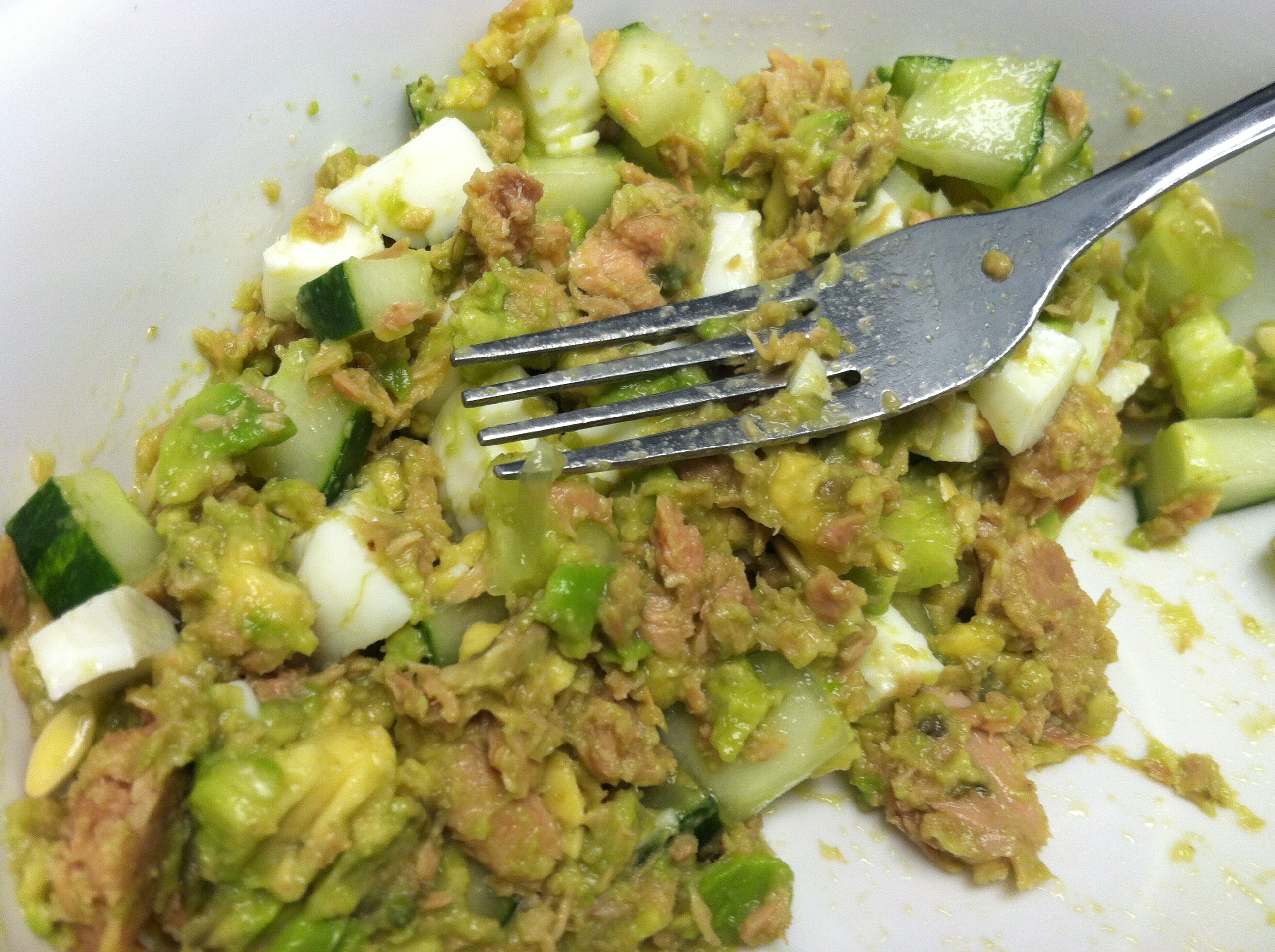
Step 2: Cut the avocado in half and scoop out the seed. In a bowl, combine the tuna, lemon juice, and mayo. Mix well. Add the cucumber and avocado, smash it around until well combined. Dice the boiled egg, and mix that in.

Season with garlic salt and black pepper if so desired. Serve with slices of bread, a wrap or pita, or whole wheat crackers.

[amd-zlrecipe-recipe:35]

Fried Green Tomatoes with Basil Mayo Sauce


While fried green tomatoes are usually considered a southern dish they can be found in northern homes as well. The northern version is more likely to be made with white flour rather than corn flour or corn meal. Also, green tomatoes tend to be prepared at the end of the season in the north when the remaining fruit is harvested before the first frosts, whereas green tomatoes are picked throughout the season in the south.

IMG_0567

They certainly pre-date the movie Fried Green Tomatoes at the Whistle Stop Café, released in the early 1990’s.

“Lovers of tomatoes are very fond of them, sliced green as apples are sliced, and fried in butter.  Some persons are fond of them sliced and fried after being dipped in butter.  The green tomatoes, which the season will not permit to ripen, may be turned to good account by using them fried.”  – The New England Farmer.  Oct. 14, 1836.

Traditional preparation of fried green tomatoes begins by cutting the tomatoes into approximately 1/4-inch (~1 cm) slices. They are then seasoned with salt and pepper, coated with plain, coarse cornmeal, and shallow fried in bacon fat for a few minutes each side, or until golden brown.

Shallow frying is preferred, as the tomatoes do not float in the oil, which allows the weight of the tomato to press the cornmeal to the underside of the tomato. Alternatives include using breadcrumbs or flour instead of cornmeal, and frying in vegetable oil or other fat.

A ‘wash’ may be used; in this case, the sliced tomatoes are first dipped in a liquid before the cornmeal is added. This liquid is usually buttermilk, or occasionally beaten egg. Using beaten egg results in a slightly firmer texture than using buttermilk. ‘Washes’ are used because cornmeal does not readily stick to raw green tomatoes.

Adding the liquid helps the cornmeal stay in place during the cooking process. This also results in the coating on the tomato becoming thicker and less crunchy when compared with tomatoes cooked without a ‘wash’.

These fried green tomatoes were made with the first big, juicey green gems on the vine at the beginning of the season, because I just couldn’t wait any longer for them to redden. You can eat these at any time throughout the growing season, and if you live in colder climates it is a way to use up unripe fruit before the first frosts kill them off.

Served with a tasty, tangy basil mayo, these are amazing appetizers, party bites, or a vegetarian main or side dish. They are best served hot and fresh, as the coating loses its crunch over time.

 Basil Mayonnaise Ingredients:

  • 1/2 cup mayonnaise
  • 2 tbsp brown mustard
  • 1 tbsp lemon juice
  • 1/2 cup packed basil leaves
  • 2 cloves garlic

IMG_0553

Step 1: Rinse the fresh basil well and drain. In a blender, combine the basil, mayo, garlic, mustard, and lemon juice.

IMG_0555

Step 2: Blend well until combined. Place in a shallow dish to dip, can refrigerate up to 3 days ahead of time.


Fried Green Tomatoes Ingredients:

  • 3 medium unripe, green tomatoes
  • 1 cup flour
  • 2 eggs
  • 1 cup breadcrumbs
  • 1/2 cup cornmeal
  • 2 cups vegetable oil

IMG_0552

Step 1: Rinse the tomatoes well to make sure there is no residue or dirt on them. Slice into 1/4 – 1/2 inch thick slices.

IMG_0556

Step 2: Beat the two eggs lightly. Place the flour, scrambled egg, and cornmeal/breadcrumb mixture onto three separate shallow plates. Put the oil in a frying pan, and heat to medium (just below when it would start simmering).

green_tomato_flour

Step 3: Dip the green tomato slices one at a time into the flour and flip to coat both sides.

IMG_0558

Step 4: Dip the floured slice into the egg mixture & slush it around to fully coat.

IMG_0562

Step 5: After the eggs, dip into the cornmeal & breadcrumb mixture, and flip to fully coat.

IMG_0559

Step 6: Place the tomato slices into the hot oil, make sure they aren’t touching. Cook for 5-7 minutes, until the breading becomes brown and crispy. Flip and fry the other side another 5-7 minutes.

IMG_0566

Step 7: Place on a cooling rack or paper towels to drain the oil. Serve hot with the basil mayonnaise on the side.

Hope this helps you enjoy more of summer’s bounty!


[amd-zlrecipe-recipe:34]


Beef Heart & Zucchini Stir Fry


Yup you read that right.

For my 400th (!!!) post, we are talking about beef heart. As in the thing that keeps the cow alive. (Sorry if that is a bit too real for you.) And also because I love all you readers who keep this fun for me! I can’t believe I have posted four hundred recipes and random ramblings, and y’all keep coming back for more…

But heart is really good! I promise. Just like chicken liver makes a great pasta sauce, give this organ a chance to impress. Organ meats are part of the whole animal, and humans have a very long history of using every bit. Only recently have our palates become pickier, such that regular pieces like bones, tail, tongue, and liver are no longer the norm, and are even looked at askance.

Organ meats can be tremendously beneficial for your health, supplying tons of iron, selenium, and other trace and important minerals. They can of course, also wreck your health, if eaten from tainted sources or too frequently. Organ meats do tend to include higher than muscle levels of cholesterol.

Kelly the Kitchen Kop has a great article containing many common objections to organ meats, along with the true facts. Beef heart is a great organ meat to start with, because it’s flavorful, surprisingly lean, and inexpensive. On average, a serving costs half of a comparable serving of beef chuck roast, and the taste is much milder than liver (for those having nightmares of “liver and onions” right now).

20100301-nastybits-fabricatedheart

A 3-ounce serving of beef heart has just 95 calories and 15 grams of protein, and only contains 3 grams of total fat in a 3-ounce serving, which is only slightly more than the same portion of chicken breast. Beef heart is a rich source of all the B vitamins except folate, but it’s especially high in vitamin B-12. Three ounces provide more than 200 percent of the recommended daily intake.

Many cultures which still enjoy organ meats use beef heart, such as anticuchos, a beef heart kebab which is the most popular dish in Peru. Argentina is a large beef producer, and nearly all the hearts are shipped to Peru because of such high demand. Beef heart takes well both to fast, high-heat searing and long, slow low-cooking. You can even ask your butcher to grind it up, and mix it into your lean ground beef. Bet you wouldn’t even notice a difference!

In this recipe, I combined very inexpensive, pre-cut heart with seasonally abundant zucchini for a ridiculously low-cost-per-plate meal, served with a simple sauce over rice. The beef (2lb) was $1.44, the zucchini was free from the garden, but let’s say you bought it at the store for about $1.00, an onion & some mushrooms would be about $1.00, and the 2 cups of rice maybe another $0.50 or so. A few tbsp of soy sauce and Worcestershire sauce adds a couple more pennies.

That brings the total for two meals to about $3, or $1.50 per serving. Beat that, fast food!

Ingredients:

  • 1 medium zucchini
  • 2 pounds beef heart cut into chunks or strips
  • 1/2 white onion, cut into thin strips
  • 1/2 pint mushrooms, sliced thin
  • 1/4 cup soy sauce (or fish sauce)
  • 1/4 cup Worchestershire sauce
  • 1 tbsp vegetable or olive oil

IMG_8965

Step 1: Dice the onion, mushrooms, and zucchini. In a frying pan, add 1 tbsp oil and the veggies. Cover and cook for 8-10 minutes, stirring, until onion is translucent and the zucchini is softened.

IMG_8966

Step 2: If you didn’t buy pre-cut heart, cut the fat and tendons off the meat, then cut into chunks or strips. Add the meat and the sauces to the pan. Cook on medium heat 5-7 minutes, stirring, until meat is thoroughly cooked.

Step 3: In a separate pot or rice cooker, cook 1-2 cups of rice. Serve half the mixture over half the rice on two plates. You could also serve this over couscous, quinoa, barley, brown rice, on its own, or in pita pockets.


[amd-zlrecipe-recipe:33]

Crock Pot Chicken Enchiladas


A total workhorse in my kitchen, the humble Crock Pot (or slow cooker) is an absolute life-saver on weekdays when you just don’t have the time to cook, or to help prep ahead of time. There is something so satisfying about just tossing everything in the pot in the morning, then coming home after a long day to a house that smells like love.

(Food = Love, you see)

While the crock pot has certainly proven its worth time and time again with soups & stews like crock pot tortilla soup, chili, or red pozole with pork, and other favorites like apple sauce and cheddar broccoli rice, it is also awesome at making easy enchiladas!

IMG_8736

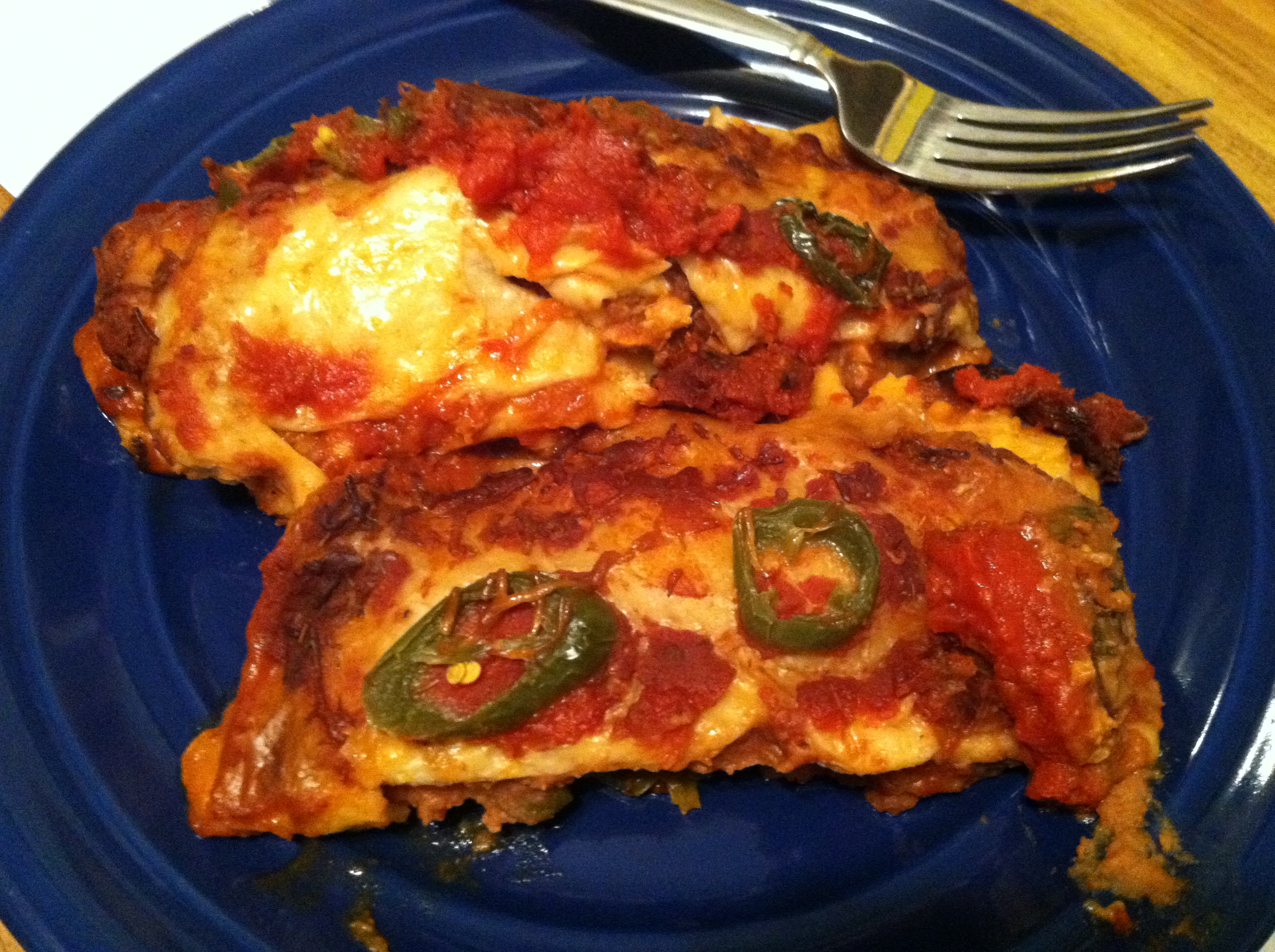
Enchiladas are a great one-pot meal, and can be made with any meat you like, or made vegetarian by using only beans, tofu, and/or cheese as the filling. This recipe adds a little spice to the meat mixture as well as using whole jalapenos for a kick. And I used regular old tomato sauce because I didn’t have any enchilada sauce.

So if you want to make enchiladas with no enchilada sauce, I got you.

Ingredients:

  • 12 10 inch tortillas (I used flour, but you can use corn too)
  • 1 boneless, skinless chicken breast, cooked & shredded
  • 1 can refried beans
  • about 1 cup salsa
  • 1/2 cup sliced jalapenos
  • about 1 cup shredded cheese

IMG_8729

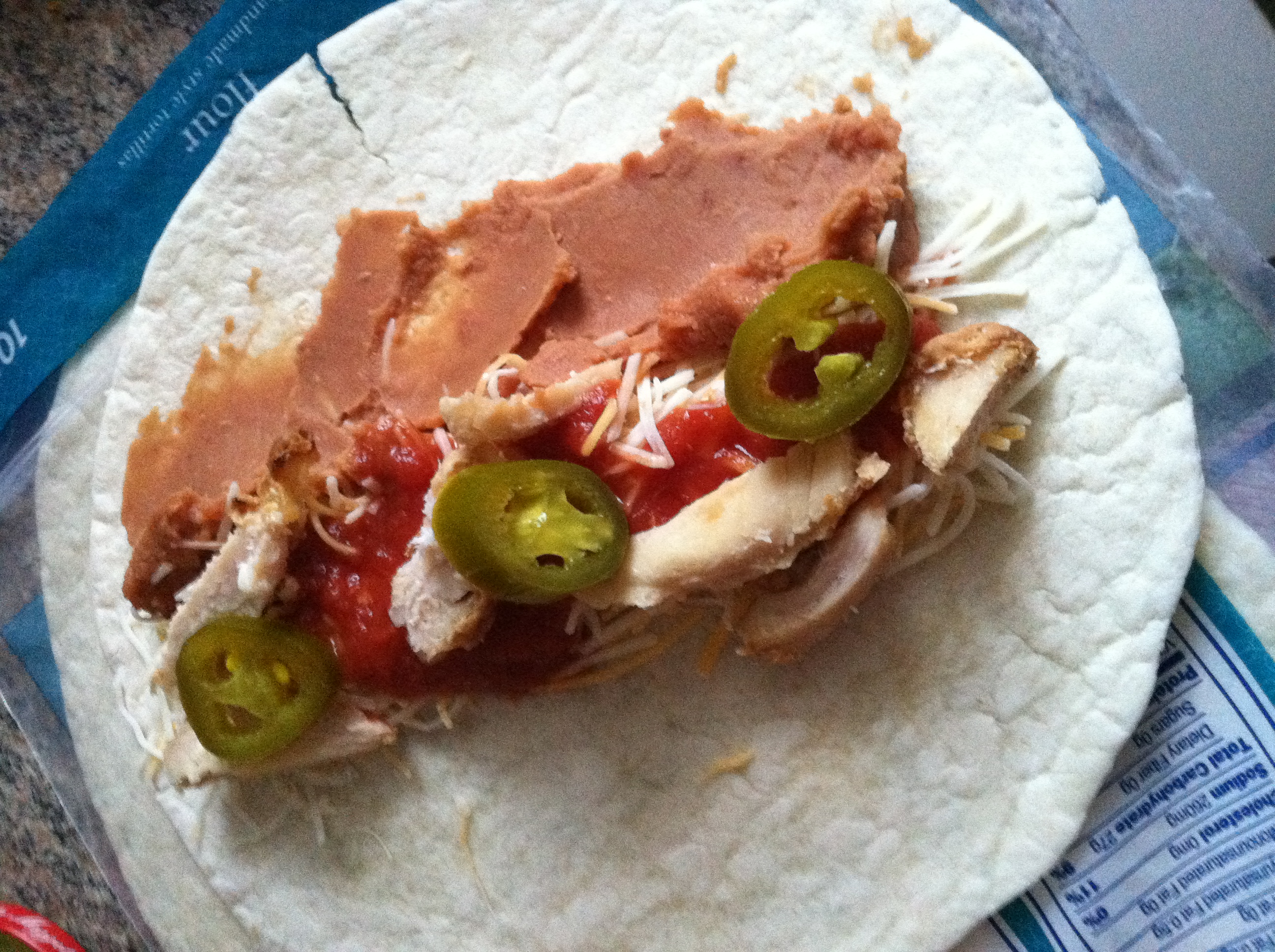
Step 1: Lay out your tortilla, and spread 1-2 tbsp of refried bean in the center. You can use regular canned beans of any kind as well.

IMG_8732

Step 2: Put a layer of shredded chicken on top of the beans, as well as some hot salsa, shredded cheese, and a few sliced jalapenos.

IMG_8733

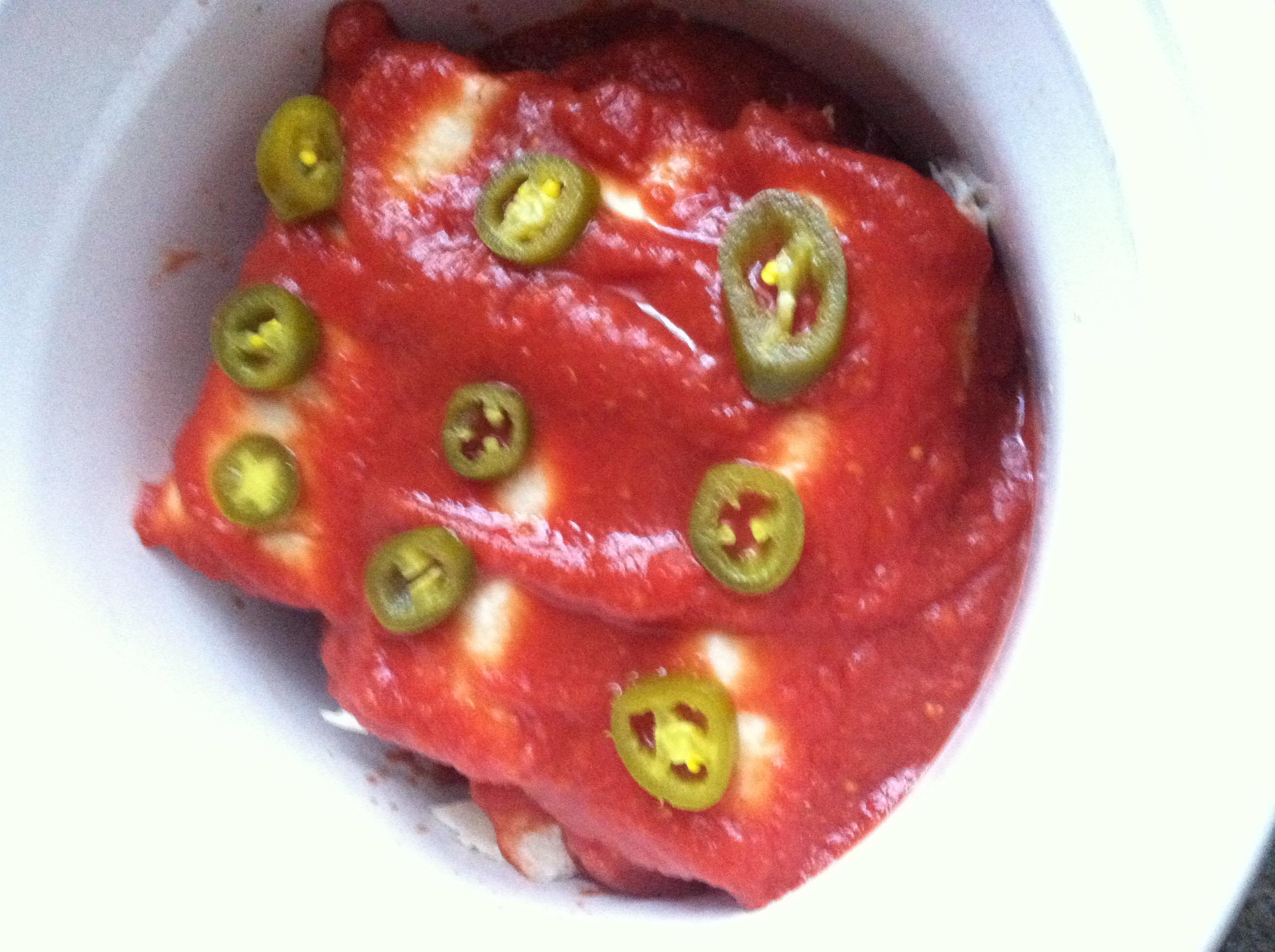
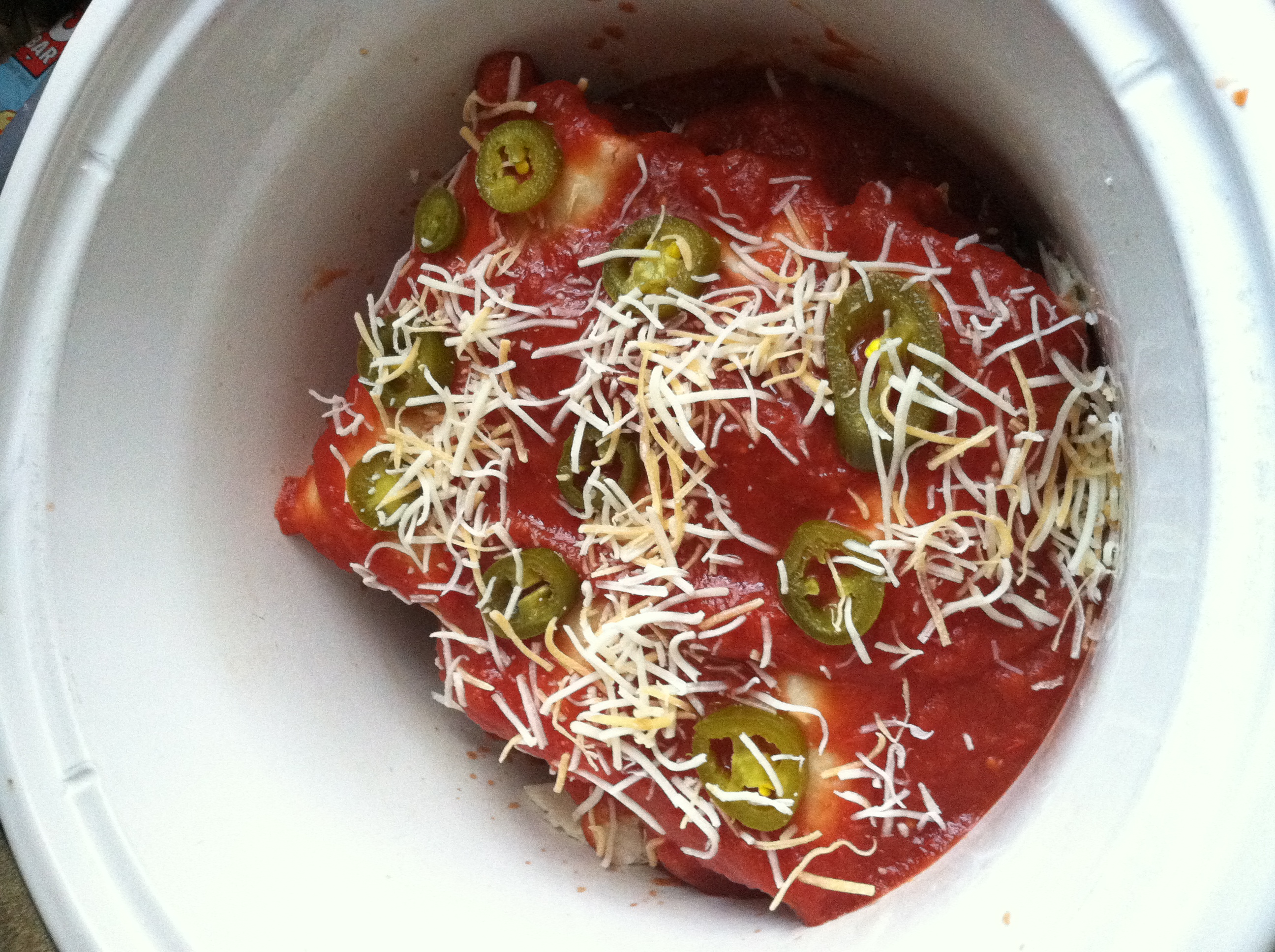
Step 3: Wrap the tortillas up like a burrito, and layer in a sprayed crock pot. Once you have a bottom layer of 2-3, pour on a few tbsp tomato sauce. Then layer on a few more. Repeat until you use up all the tortillas.

IMG_8734

Step 4: Sprinkle the top layer with a little more cheese and some more jalapeno slices, then set the crock pot on low for 4-6 hours.

IMG_8735

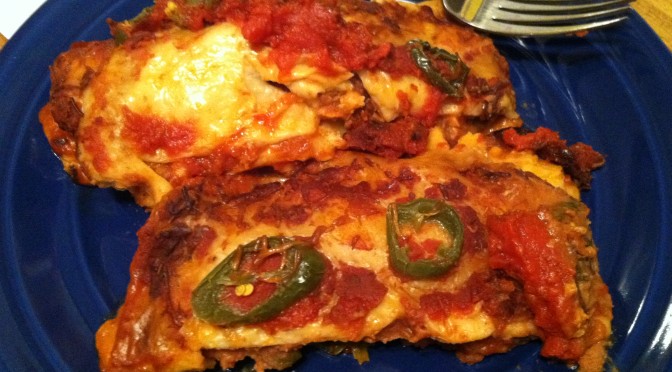
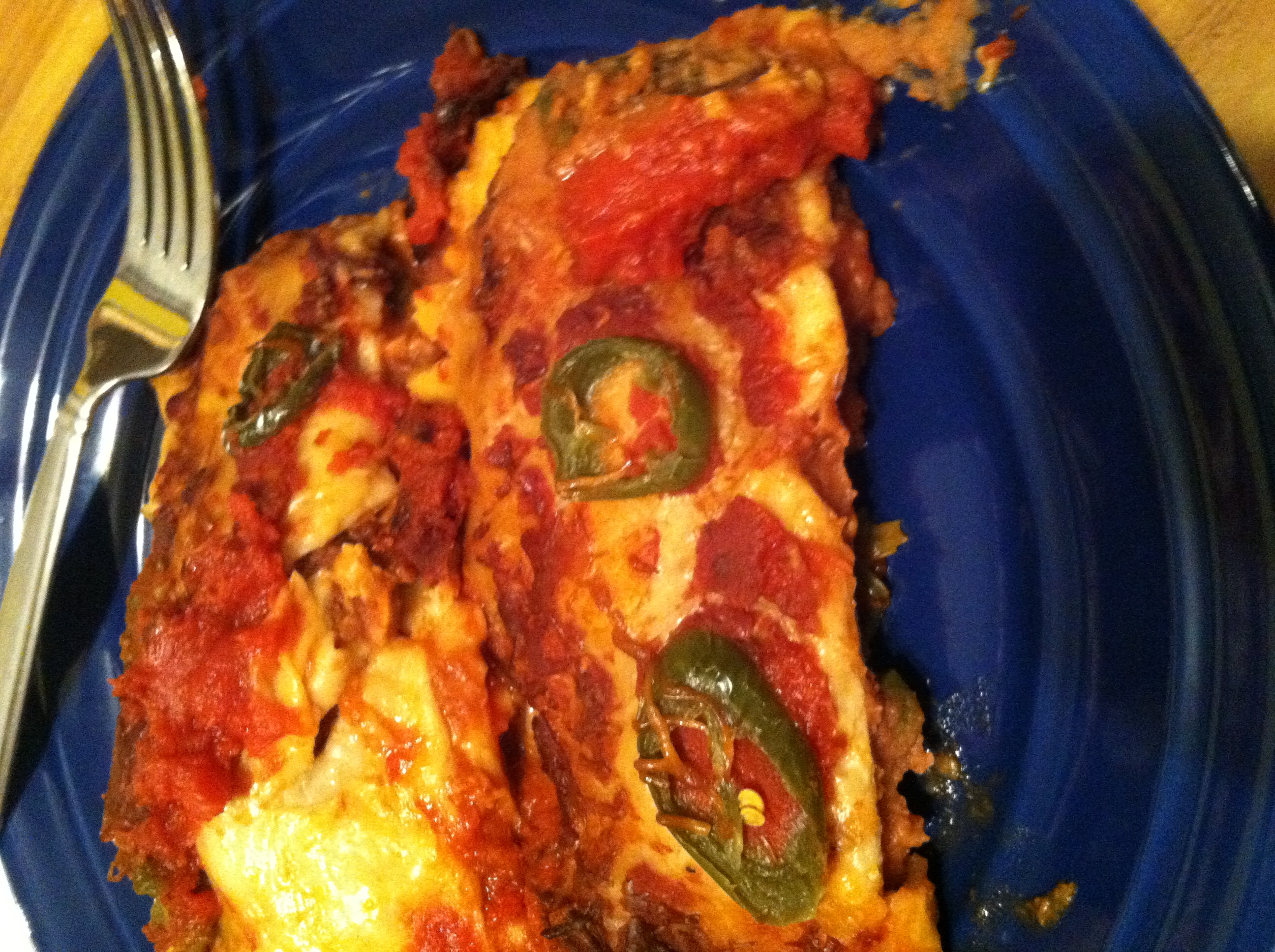
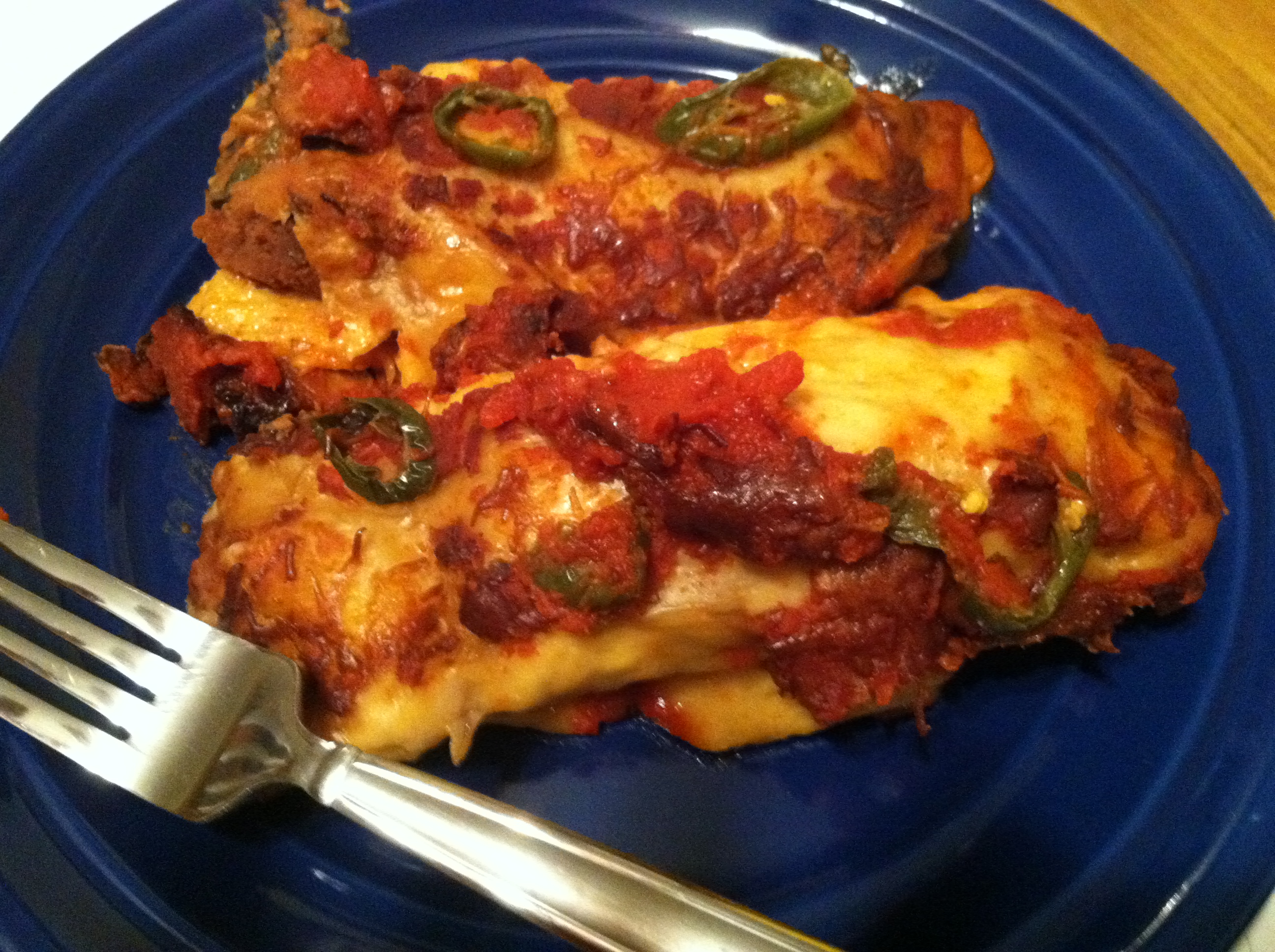
They bake up perfectly, soft on the inside with a little bit of crisp, and just the right amount of heat.

[amd-zlrecipe-recipe:32]

Pearberry Margarita


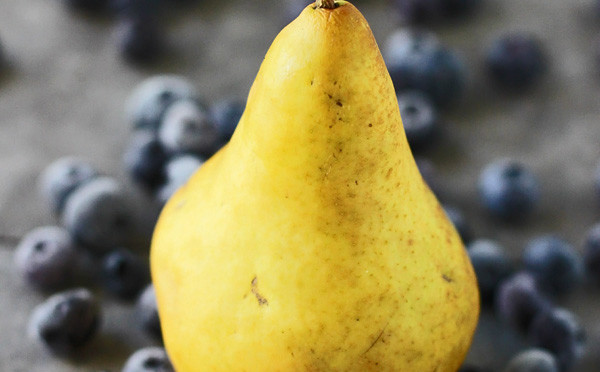
As summer winds to a close and hot days continue, fruit trees are bursting with fruit. A neighbor has a pear tree and was kind enough to share some of the harvest. One can only eat so many pears before needing to find something new to do with them…

So why not blend it into a drink? I’m always looking for ways to sneak an extra serving of fruit and/or vegetables into just about anything. And a good way to hide healthy stuff is with liquor! If there’s tequila and sour mix, who care what else is in there right?

(But see if the people who try it don’t love your secret)

This recipe makes enough for 2 servings of about 5 ounces each. You can easily scale this up to make a pitcher full for a party. Also feel free to experiment with different types of berries or mixers to find the flavor combo you like best.

Ingredients:

  • 1 large, very ripe pear
  • 1/4 cup blueberry margarita mix (or 1/2 cup fresh berries)
  • 2 oz tequila
  • 2 oz sour mix
  • 2 oz lime juice
  • Handful of ice

IMG_9347

Step 1: If you want to and feel brave, you can peel the pear. I just threw the whole thing in, skin on. Cut it in half, then into quarters. Slice out the stem, seeds, and core. Put that in a blender.

IMG_9346

Step 2: Add the liquids and tequila, and blend until the pear is completely mashed. Add the ice, and pulse or blend until it reaches your desired consistency.

IMG_9343

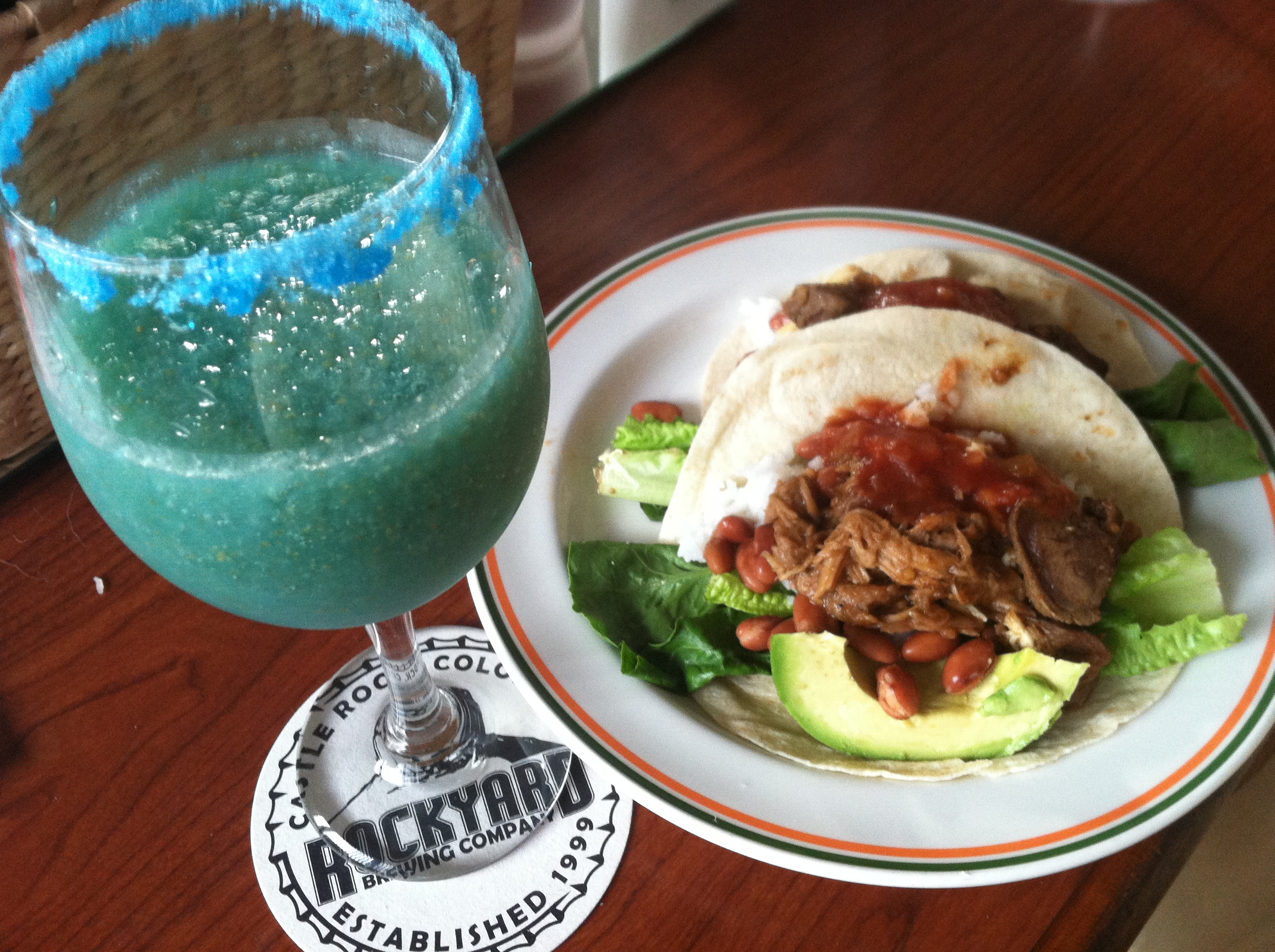
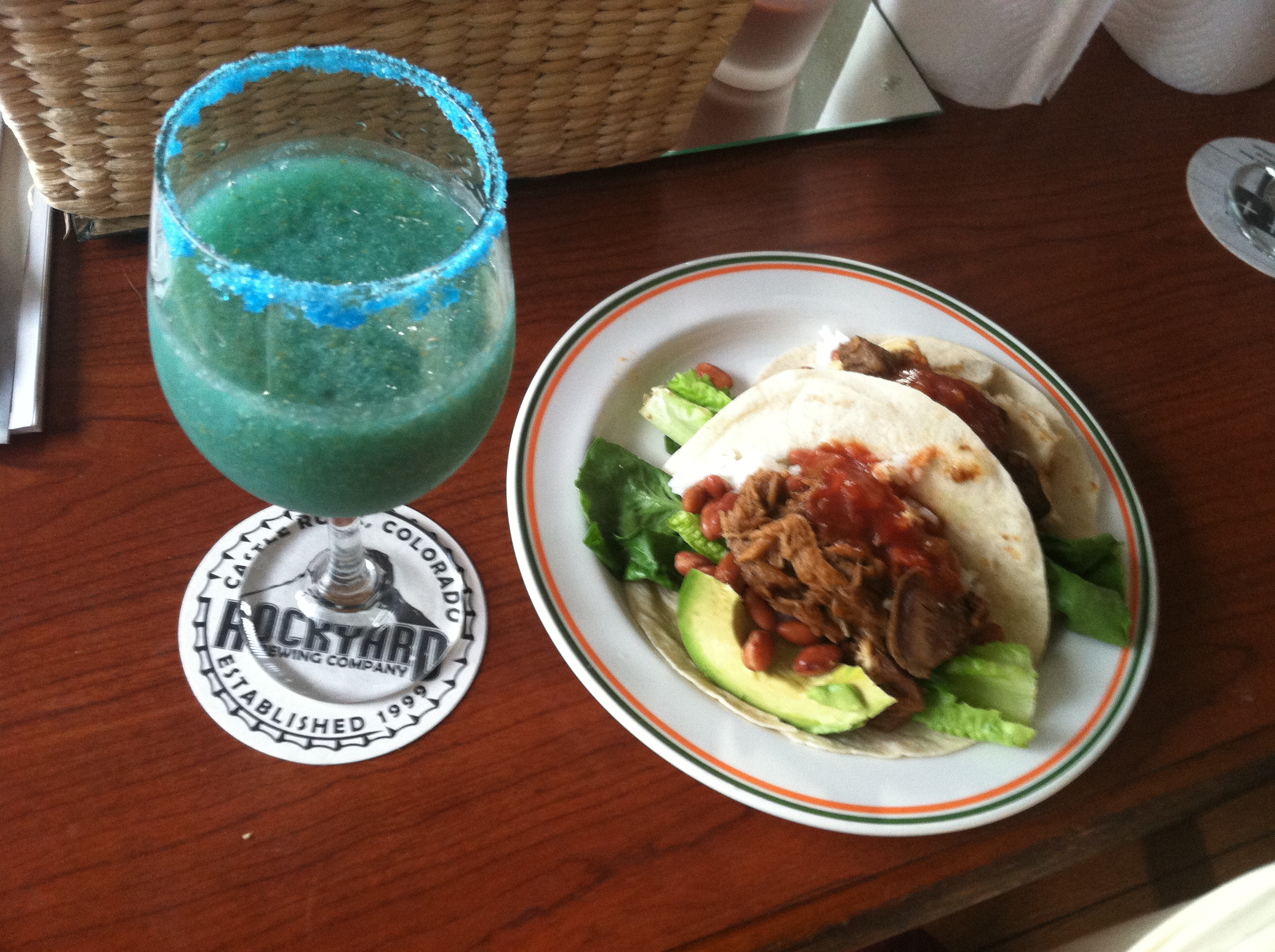
If you have blueberry sugar, you can rim the glasses by first dipping them in water or lime juice, then rubbing the rims on a shallow plate covered in the sugar. (Or use normal sugar with a few drops of blue food coloring for the same effect.)

I don’t recommend this over ice unless you also strain it. Blended, the grittiness inherent to pears isn’t as noticeable. You could try this basic recipe with any number of fruits, but I recommend softer types (like pears, peaches, berries) over harder or mushy fruits (apples, bananas).

Salud!


Savory Vegan Bake


Sometimes, you just have no ideas in your head. You open the cupboards and refrigerator and sift through half-bags of random ingredients, cans you forgot you had, and sad wilted veggies. And then inspiration strikes!

This was one of those times.

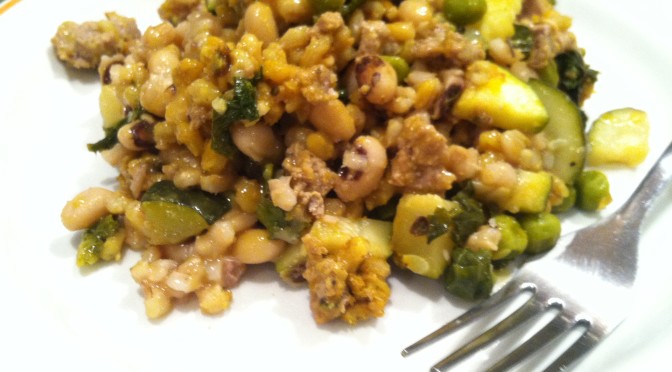
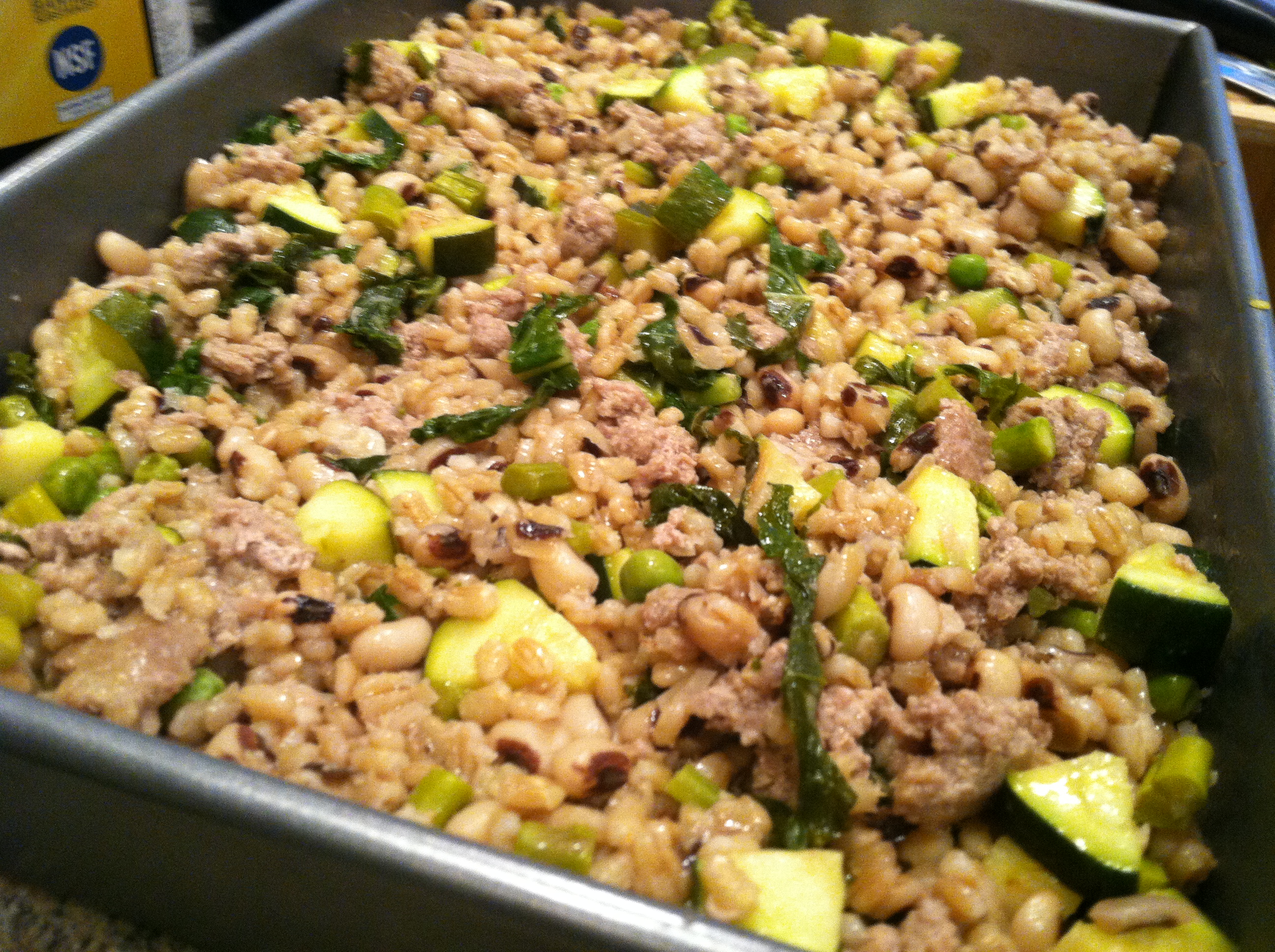
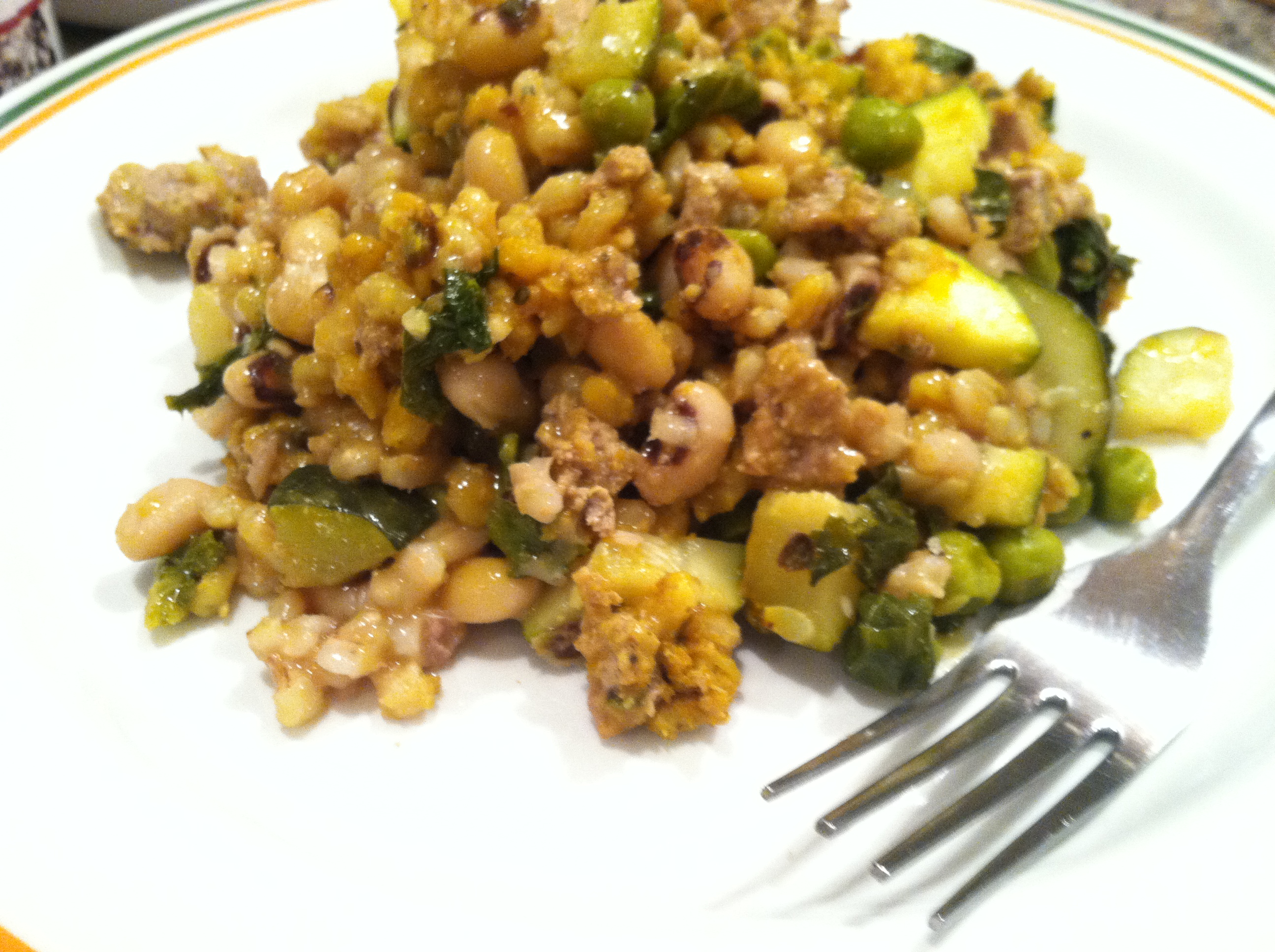
I had half a bag of barley, as well as half a bag of black eyed peas.  In the fridge, I had a few spears of asparagus, and half a small zucchini. I also had some cooked turkey, which seemed appropriate to add.

Ingredients:

  • 1 cup zucchini slices
  • 1 cup diced asparagus
  • 1/2 cup greens (spinach, kale, mustard greens)
  • 1/2 cup diced mushrooms
  • 1 cup black-eyes peas (or other dried bean)
  • 1 cup pearled barley
  • Salt, pepper, turmeric
  • 2 1/2 cups water or broth
  • Optional: 1/2 cup cooked turkey

IMG_8969

Step 1: In a pot on the stove, bring the water or broth to a boil. Add in the beans & barley, cover, and simmer for about 35-40 minutes. If they get dry, add more water as needed.

IMG_8970

Step 2: In a pan, add all the diced veggies with a little water or oil, and cook on medium heat, covered, for 10-12 minutes.  (If using ground turkey or beef, add and cook here)

IMG_8972

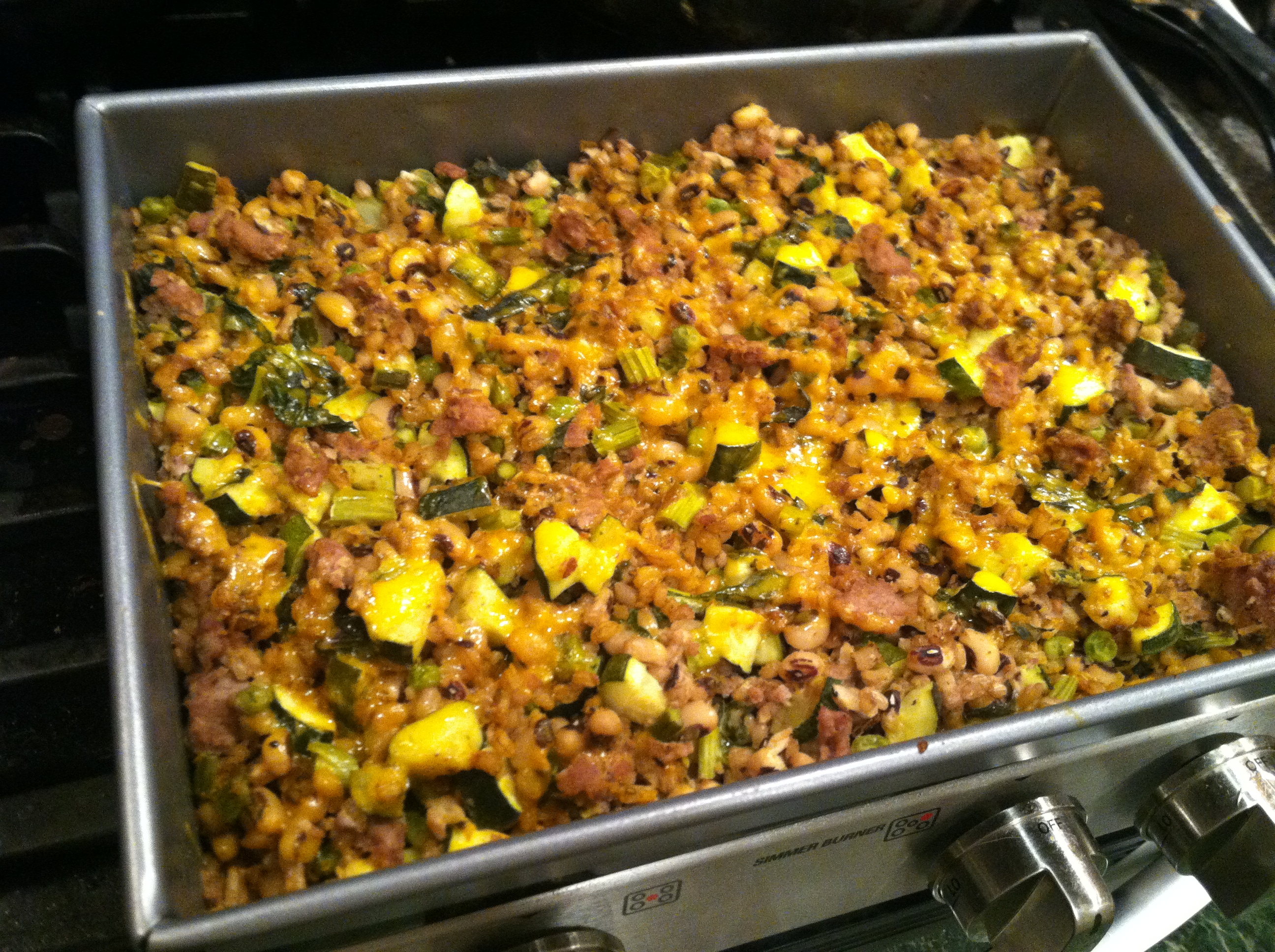
Step 3: Once the peas & barley are softened, mix with the vegetables in a large baking pan. Add seasonings to your taste, I used garlic salt, black pepper & some turmeric (hence the yellow color). Bake at 350 for 15-20 minutes, until heated through. Serve & enjoy!


[amd-zlrecipe-recipe:31]