Category Archives: Informative

Twice the wine for half the calories!

Just in time for Thirsty Thursday, a smart trick to let yourself enjoy two glasses of wine for the caloric price of one!

Whether at home with your girls or sweetie, or out on the prowl at happy hour, this is a sneaky trick to help manage your weight without putting a damper on your social life. 

Disclaimer

Now, before I tell you the trick, let me say this is in no way an endorsement for drinking. I am not giving anyone permission to over-indulge or anything like that.

There is much mixed information in the news about how red wine contains antioxidants and resveretrol, so it has to be healthy; or alcohol causes lowered inhibition, weight gain, and loose morals, so it’s the devil.

There is some truth to both sides, and my life motto is all things in moderation.  Women are recommended to drink no more than one beverage per day, and men two.

An alcoholic beverage means:

  • 5 ounces of wine
  • 12 ounces of beer
  • 1.5 ounces of 80-proof distilled spirits, such as vodka (a shot)

While it is true that some studies show various mental and physical health benefits of moderate amounts of alcohol (specifically wine), alcohol also contains “empty” calories.

This means that you are getting calories from the drink, but no health benefits from vitamins or nutrients. So you need to take into account the calories that you will be adding on top of all your food calories for the day, or you will gain weight over time.

This also goes for other “empty” beverages like soda pop or sugary coffee drinks. 

Calories in Wine

Depending on the type of wine, one 5 ounce glass can contain between 100 and 300 calories. That is the typical size of a midday snack or breakfast. The range is large because it depends upon the type of wine and the sugar content.

Sweeter wines tend to have more sugar, and thus more calories, than dry wines. Which is unfortunate, because I can kill a whole bottle of moscato in one sitting, but take two hours to force down a dry red. I guess that’s the idea…

The website GetDrunkNotFat is aptly named, and specializes in exactly the type of information you would think. They have a great chart here that summarizes many types of beverages (including things other than wine) broken down by calories per serving, serving size, even grams of carbohydrates per serving.

You should also check out this amazing infographic on “Wine for Beginners” by Madeline Puckette from WineFolly.com: 

The part you’ve been waiting for!

Anyways, there is a way you can have you wine and drink it too. (Nonsensical metaphor, check). Simply ask the bartender or yourself to mix half wine with half soda water.

Carbonated water or seltzer water have as many calories as regular water: Zero.

Therefore, you can have 2.5 oz of wine plus 2.5 oz of sparkling water, twice! That’s nicer than having one glass of wine, and one glass of water, don’t you think? 

Carbonated water gets its fizzy property from dissolved carbon dioxide. Many names are basically synonymous, including: soda water, seltzer, carbonated water, club soda, sparkling water, and mineral water, with small distinctions.

The exception, which is not synonymous, is tonic water.

This is definitely not water-flavored; if ever you have tried it you are aware of its bitter taste. This bitter property comes from the organic compound quinine.  

What quinine looks like. In case you ever need to
organic chemistry your way out of a situation at a bar.

While bitter compounds are typically rejected by your taste buds (from an evolutionary mechanism which protected early people from ingesting poisons, see the comic below), quinine has been used in medicine for centuries.

In fact, quinine has been and is still used occasionally to treat malaria. Interestingly, it is also naturally fluorescent.

So if you’re at a club with black lights, you could always order a gin & tonic and amaze your friends with your glowing beverage. 

The same logic applies to foods and drinks. If it was bitter, it might be poison. At least nowadays we know better.

So now that you know, choose your fizzy calorie-free mixer, and your wine of choice. May I recommend not diluting a very expensive fine wine, but going for something like (now) three-buck-chuck?

Simply because, if you can afford a $200-bottle of wine, I assume you want to enjoy the wine itself. In that case, please proceed, and maybe email me so we can be friends?

You can even use flavored soda water so that you don’t notice a taste difference, or improve the taste of a wine you aren’t terribly fond of, but are tired of that 1/3 full bottle in the fridge.

It makes a bubbly beverage that feels special. And good news, there is no scientific evidence that carbonated water harms bone health, in case that was a concern.

Enjoy responsibly!


For more health effects of alcohol, check out:

 
Do you have any healthy or frugal drinking tips?


No pain no gain? — Delayed-Onset Muscle Soreness (DOMS)


Anyone who has ever begun a weight-lifting regimen, shoveled a long driveway, or lifted something heavy only to be sore the next day (or two, or three…) is familiar with the concept of delayed-onset muscle soreness (DOMS).

This is the constant ache in your muscles that you feel 24-48 hours after doing something strenuous to which you are not accustomed. To be clear, it is not the same as the sharp, immediate pain of a pull or strain, nor is it the same as the muscle fatigue you feel while working out.

What causes DOMS?

There is some misinformation on the internet and in common knowledge that a build up of lactic acid or lactate, created through aerobic respiration, causes muscle soreness. While it is true that a build-up or inability to get rid of lactate can hinder workouts, this is not the cause of DOMS. This is caused by microscopic tears in the muscles during the “eccentric“, or lengthening, portion of an exercise. This causes the muscle to forcefully contract while it lengthens.

The opposite is the “concentric” portions of an exercise. Examples of eccentric moves include walking or running down hills, the lengthening portion of a bicep curl, the downward portion of a squat or lunge, or jumping. It is believed these microtraumas to the muscle fibers combined with inflammation and swelling cause the associated pain.
.
I once had a “leg day” where I did over 200 squats/lunges per leg, and was then limping around for three days after. Hopefully that was just a ‘beginning to build muscle’ stage and won’t be the norm.

Unfortunately, there is not much you can do to prevent this soreness, especially if it is a new activity. When you first begin letting weights or playing a sport, there is going to be some amount of discomfort. There are a few things you can try to prevent or ease soreness.

To ease muscle aches:

  1. Take an anti-inflammatory like ibuprofen or Aleve. This will help calm the ‘pain’ signals to your brain and decrease any swelling so you heal faster.
  2. Take a hot/cold shower. Let me explain. If you take a very cold shower or bath right after the workout, anecdotal evidence says it may help decrease how sore you are later. The next day, if sore, try a soothing hot bath to ease achy muscles.
  3. Try foam rolling. These rolling-pin looking foam tubes are designed to relax the tissue layer surrounding muscles and easy achy soreness. Here’s a Yahoo article about it.
  4. Massage the sore areas. It may hurt a lot while happening, but some swear that it gets rid of pain faster after.
  5. Active recovery. Do light exercise like yoga, walking, or swimming. This makes the muscles continue to move, gets blood flowing through the sore areas, and hopefully help them heal quicker. 
  6. Take Vitamin C before and/or after a workout. Vitamin C is an antioxidant, and may help prevent muscle damage caused by free radicals created when muscles work hard.
  7. Try a creme like IcyHot or Bengay to soothe deep muscle soreness.
  8. Drink lots of water and green tea. Staying well-hydrated is always a good idea, but your muscles can be up to 70% water, so keeping them hydrated means keeping them able to work.

While time is really the only thing guaranteed to help make muscle soreness go away, hopefully this article will inspire you to be safe and smart, and ease your way into weights.

Please, DO NOT use this soreness as an excuse to just stop working out! It just means you pushed a little too hard this time.

In fact, some think that DOMS is a necessary part of building new muscles. Here’s an article from fitness magazine Runner’s World on “Why Delayed Onset Muscle Soreness Is a Good Thing” by Mackenzie Lobby. 
.
Your muscles will build themselves back up and get bigger and stronger, especially with repeats of those motions (so keep legs, arms & shoulders days on the schedule). The severity of the soreness will decrease over time as your muscles build and adapt to the exercises.

Eventually whatever left you sore and weak will be no problem at all. Rest and recover, then get back out there!

Regular movement is the number one best thing you can do for your heart, blood pressure, and overall health and wellbeing. 
.
For more information you can see This PDF from the American College of Sports Medicine.

Do you have any advice for sore muscles?

The Art of Ethiopian: Part 4 – Cheese, Greens, & Injera


This is the fourth and final post in my Art of Ethiopian Cuisine post series. From a 100%-not-Ethiopian-American, I must say this all tasted really dang good. And it doesn’t take too much hands-on work time. If I had had a real Ethiopian over to try it, I’m not sure what their opinion would be. But if you want the “Americanized” easy version, these recipes are sure to do the trick!


The Art of Ethiopian Cuisine: Part 1 – Beef & Pork
The Art of Ethiopian Cuisine: Part 2 – Chicken & Fish
The Art of Ethiopian Cuisine: Part 3 – Potatoes & Lentils
The Art of Ethiopian Cuisine: Part 4 – Cheese, Greens, & Injera

Ayib

The cheese is called “Iab or Ayib” and is like a cottage cheese/ricotta hybrid. You usually need it to temper the heat in these types of dishes, but my recipes leave out the Berberi spices you will notice. If you like super hot foods, feel free to pick some up and sprinkle it into all these stews. Because I don’t have hours or days to make it the proper way, THIS recipe from Whats4Eats comes close to approximating Iab.  

Ingredients (Ayib):

  • 1 cup large curd cottage cheese
  • 2 tbsp plain Greek yogurt
  • 1 tbsp lemon juice
  • Sprinkle sea salt

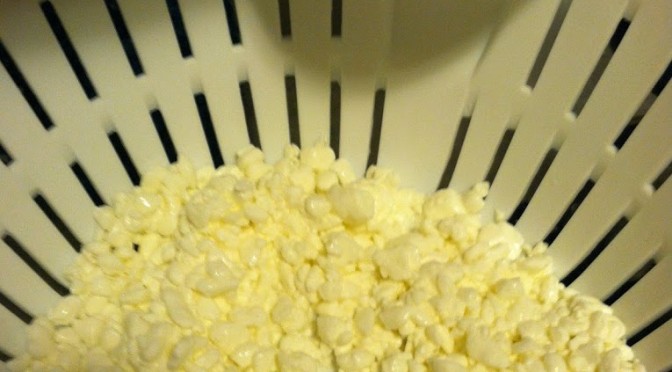
Step 1: Rinse the cottage cheese in cold water and let it drain. Press dry with paper towels if you like. I tried that and the towel got cheese curds stuck all over it so try at your own risk.

Step 2: In a bowl, mix the cheese curds, yogurt, lemon juice, and salt. Refrigerate until serving.

Gomen Wat

The greens are called “Gomen Wat” (guess Wat…again) and the recipe I used is based off the one HERE on my trusty AllRecipes site. I didn’t have collard greens, so I used what I had, which was kale. I bet you could use spinach instead as well, any leafy green will do.

Ingredients (Gomen Wat):

  • 2 cups chopped kale
  • 2 cups water/stock
  • 1 tbsp turmeric
  • 1 tsp ground ginger
  • 3-4 tbsp lemon juice
  • 2 cloves garlic, chopped
  • Sea salt
Step 1: Put the greens, spices, and liquids in a small crock pot. Cook on low for 1-3 hours. 

Make sure to stir every now and then. The greens will wilt and take up less room. I like my greens extra tangy to counteract the bitter. I also sprinkle them with a healthy dose of fresh coarse ground sea salt. Keep on low until you serve.


Injera

And of course, the cornerstone of the meal, that which holds it all together and is both plate and utensil, the Injera bread. Usually it is made from pure Teff flour and allowed to ferment and rise for three days. I unfortunately had neither the grain nor the time. So I based mine off this cheat recipe HERE from Whats4Eats, which does not need either. It rather ingeniously uses club soda and lemon for both the bubbles and the tang.

Ingredients (Injera):

  • 2 cups flour
  • 1 tbsp baking powder
  • 2 tbsp lemon juice
  • 2 cups club soda

As you can see, I had lemon-lime club soda so at first I didn’t use the lemon juice. Several other recipes I found also use vinegar if you don’t have lemon.

Step 1: Combine all ingredients and stir just until all flour is incorporated. The club soda will bubble quite a bit. 

Step 2: On a hot, sprayed griddle, pour about 1/2 cup of batter. 

Step 3: Typically injera is only cooked on one side, but I found that this better was just thick and pancake-y enough that I had to let it mostly cook, then flip for a final minute or two. There were still bubbles, which approximates injera.

However the consensus was that this dough was thicker and sweeter than usual. So these are the Americanized Ethiopian pancake version of injera. And actually some said they prefer it, so perhaps this is a better way to ease an American palate into ethnic cuisine.And this was the final meal.

Ground beef, pork, chicken, fish, lentils, potatoes, greens, cheese and my injera pancakes. You of course don’t have to cook all these at the same time, but I encourage you to at least make some injera and try one or two stews. You may find that you crave the flavors of Ethiopia from now on! And by cooking all this at home, you control the ingredients, so this meal turns out to be quite healthy, and very filling.


What’s your favorite ethnic cuisine?


The Art of Ethiopian: Part 2 – Chicken & Fish


This is part two of a four-part series on Ethiopian cooking, the American way. Since I am such an expert (I know someone from Ethiopia. Plus I’ve eaten it like… four times) I decided to share my versions of some of my favorites.

The recipes are fairly straightforward, you just need to obtain the spices, and be patient. All said, the cooking for this dinner party probably took about 6 hours. The dishes took twice that long. 😉

The Art of Ethiopian Cuisine: Part 1 – Beef & Pork

The Art of Ethiopian Cuisine: Part 2 – Chicken & Fish
The Art of Ethiopian Cuisine: Part 3 – Potatoes & Lentils
The Art of Ethiopian Cuisine: Part 4 – Cheese, Greens, & Injera

Part 2: Chicken and Fish

Sounds like the punchline of a bad Lent joke. Appropriate for April I guess. (Is April still when Lent happens?) But since the earlier post had already covered the ‘red’ meats of beef and pork, this one is for the “white meats”. Sorta.

Chicken stew in Ethiopian is called Doro Wat. I’ve figured that most things that say “Wat” mean meat stew, whereas “Tibs” means meat and vegetables stewed together. As in “Yasa Tibs” meaning my fish, tomato & spinach stew.

The recipe I based the Doro Wat from is found HERE from NomNomPaleo, while the inspiration for the fish is found at Allrecipes HERE. 


Ingredients (Doro Wat):

  • 3-4 pounds chicken (bone in will give you better flavor, I used a mix of 2 thighs and 2 boneless skinless breast)
  • 1/2 cup diced onion
  • 2 tbsp butter
  • 1 cup chicken stock
  • 2 tbsp turmeric
  • 1 tbsp garam masala
  • 1 tbsp ginger powder


Step 1: Add stock to chicken in a pan, and cook over low heat until no pink is left. Cut the breast into bite-sized cubes.


Step 2: In a separate pan, add butter and diced onions. Cook until the onions are soft and translucent. Add 1 cup diced onion to the chicken.


Step 3: Add the rest of the spices, and simmer for 30 minutes or until serving. Add more stock if liquid starts to evaporate.


Ingredients (Yasa Tibs):

  • 1-2 small tilapia (or other white fish) fillets
  • 1 cup fresh spinach leaves
  • 1 tbsp garam masala
  • 1 small can tomato paste
  • 1 tbsp olive oil
  • 1/4 cup fish sauce (or vinegar if you don’t have it)
  • 2 tbsp lemon juice
  • Garlic salt to taste
  • Squirt of Sriracha or Tabasco, if you like


Step 1: Cut the fish into bite-sized pieces. Cook in a pan with olive oil until white and flaky.

Step 2: Add all sauces, spices, and spinach. Simmer at least until spinach is wilted, until serving.

This one is delightfully salty and tangy from the fish sauce and acidic lemon juice. And probably the healthiest stew thus far, with little to no fat and a spinach nutrition boost.


Up next: 
Part 3 – Potatoes & Lentils

The Art of Ethiopian cuisine: Part 1 – Beef & Pork

Happy April! 

Spring has officially begun, and soon enough we will feel it every day in the weather. It’s time for snow melting, sunshine, green grass, boatloads of flowers, chickadees and bunny rabbits.

So ethnic food is a perfect fit! (Wait, what?) Uhhh yeah, you haven’t heard of Ethnic Food April?!? Totally a thing. I just made it so.

Since moving to Colorado, I’ve been exposed to new cuisines pretty often. I’ve become hooked on Ethiopian. A student in my year is from Ethiopia, and she has both shown us local restaurants and cooked a unique Ethiopian dinner in her home for us.

I recently decided to attempt to replicate a full Ethiopian meal at home! This will be a series of posts, all from a ginormous dinner party I threw. 

Also fittingly, this is my 200th blog post!

Wow, I didn’t know I had so many things to talk about. It seems like not too long ago I was excited about my 100th Post wherein I brined and baked a whole pheasant! (Not as hard to do as it sounds, but just as delicious as you might think).

My how time flies. Like pheasants. Anywho, sorry to sidetrack you, on to the Ethiopian!

The Food

Ethiopian cuisine, if you have never had it, mostly consist of various stews, eaten with your hands and the help of a unique flatbread called Injera. The bread is made from a unique grain called Teff, and fermented for several days. It is slightly sour, bubbly, and spongy. It is a very unique experience the first time you try it, but it becomes an addiction.

The stews vary from purely vegan (lentils, sweet potato, etc) through various types of meats (beef, lamb, pork) and mixtures. They lay the bread on a huge middle plate, then scoop piles of deliciously spiced concoctions onto it, which you then scoop up and eat with more pieces of injera and your hands.

If you’ve never tried it, I highly recommend it! It is even more fun as a social experience. 

The Art of Ethiopian Cuisine: Part 1 – Beef & Pork

The Art of Ethiopian Cuisine: Part 2 – Chicken & Fish
The Art of Ethiopian Cuisine: Part 3 – Potatoes & Lentils
The Art of Ethiopian Cuisine: Part 4 – Cheese, Greens, & Injera

Part 1: Beef and Pork

So the ground beef stew is called Minchet-Abesh Alicha. The recipe I used was based off the recipe HERE from Food.com.

Meanwhile, apparently pork stew isn’t really an Ethiopian thing (at least not that I could find much online) but the recipe I ended up sorta following can be found HERE from Thomas the Accidental Gourmet. As far as I can tell, they don’t eat pork in Ethiopia.

But in America we sure do. So I decided any meat can be stew-ified and went ahead.

Ingredients (Minchet-Abesh Alicha):

  • 1 pound ground beef
  • 1 can diced tomatoes
  • 1/2 cup diced onions
  • 2 tbsp butter
  • 1/2 cup chicken stock/water
  • Garlic salt
  • 2-3 tbsp chili powder
  • 2 tbsp garam masala
  • 1 tsp coriander
  • 1 tsp cumin
  • 1 tbsp nutmeg
  • 1/2 tbsp cinnamon


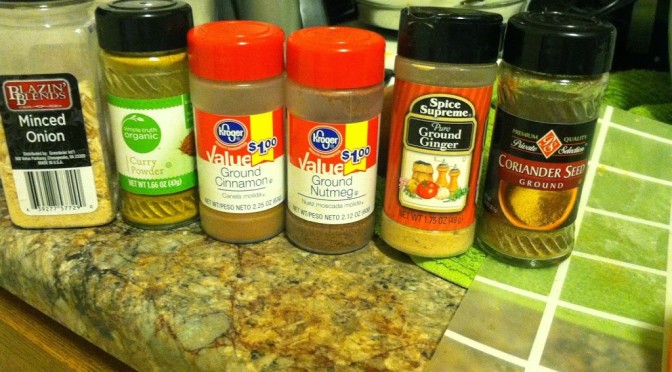
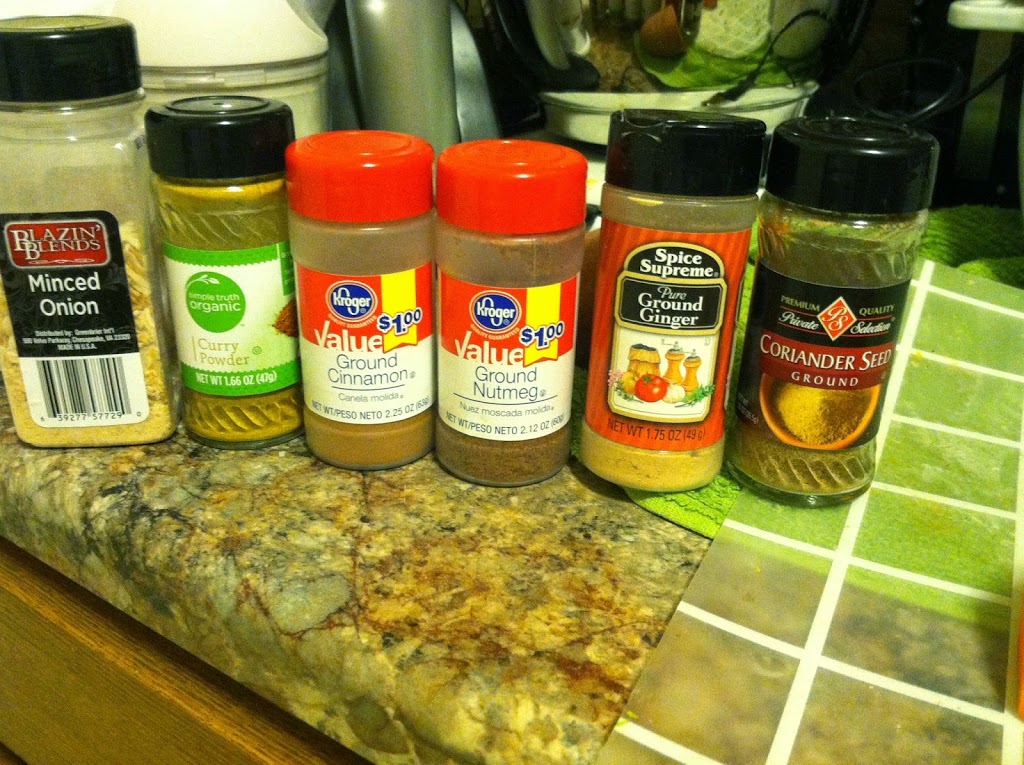
The spices really make the dishes shine. But there is plenty of room for substitution. If you don’t have some spices, or don’t want to shell out for them, don’t worry about it and use whatever spice mixture you like. It’s the bread that really makes the meal unique!


Step 1: Brown the ground beef and drain. (I actually used ground turkey, shhh don’t tell!) Add either 1/2 cup onions to butter and cook until translucent, or use dried onion flakes, about 2 tbsp. Mix with the ground beef. 

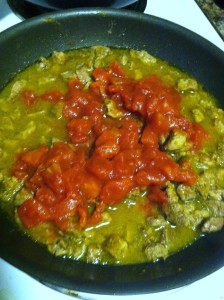
Step 2: Add all spices you are using, stock or water, and diced tomatoes. Simmer for at least 30 minutes, the longer the better. All the spices blend together and infuse the meat.

Your house/apartment will smell divine! This was probably the favorite of all the dishes cooked.

Ingredients (Pork Stew):

  • 4 pork chops (or 1 small roast) diced
  • 1/2 cup stock/water
  • 2 tbsp turmeric
  • 2 tbsp curry powder
  • 1/2 can diced tomatoes

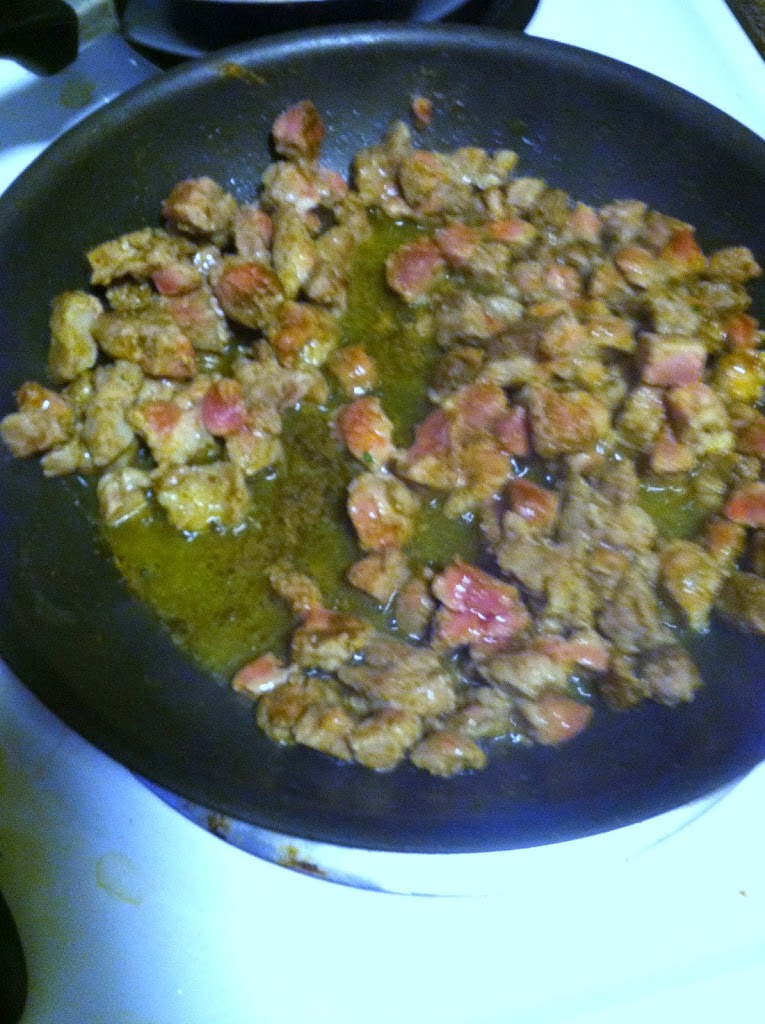
Step 1: Dice the pork, brown in a pan with the stock. Add in the spices and bring to a simmer.

Step 2: Add the diced tomatoes, or 1 small can tomato paste. Simmer another 10 minutes or until ready to serve.

This is what the finished meal looked like:


The ground beef stew is mid-left, pork is on the upper right. Wait until the injera post, where you get to learn how to make Ethiopian “pancakes”…

Up next: Chicken & Fish!

Sneaky healthy food swaps


It’s never a bad idea to do something healthy for yourself. You only get one body and one chance to enjoy it, so why not treat it well so you can enjoy it longer? There are infinite “diets” out there proposing to get you fitter, healthier, younger. Don’t eat any carbs, only eat carbs, no meat, no dairy, grapefruit juice with every meal, cabbage soup as your only meal. These diets are usually all about limits. Limiting your calories, your carbohydrates, your fats. Why live a life with limits? It’s more about changing the way you think, changing your normal. Far better to think of food as LIMITLESS and ABUNDANT and NOURISHING. 

Image from YouthCrash

Rather than saying “I can only eat 10 grams of carbs and 1200 calories per day” tell yourself “I will increase my daily intake of fruits and vegetables”. It’s far easier to add things to our routines than to take them away. Before you know it, broccoli will begin to taste good. You will reach for a peach after dinner instead of a cookie. A meal without meat doesn’t seem strange. Your body tells you thank you for taking care of it by feelings of energy, happiness, balance. 

When you are beginning to make healthy changes, it is especially hard. You likely have years of habits built up. You probably have a daily routine that doesn’t lend itself to healthy eating or nutrition. Your social behaviors are probably centered around food and drinks. Maybe your friends, family, kids, significant others, encourage unhealthy behaviors. Step one is to make a promise to yourself to get healthy. For yourself, of course, but also for those you love. They want you around as long as possible too, and to be able to enjoy life to the fullest with them. The second step is to ask them for help. Proclaim your new goals, adding veggies, drinking more water, moving more. Ask them to keep you accountable to your new habits. Even better, ask them to join you!

Image from StayHealthyLA

Now all you have to do is at least ONE thing per day that will take you closer to your goals! Drink one extra glass of water in the morning. Say no to the vending machine in the afternoon. Pack your own healthy, homemade lunch. Get only one drink at happy hour and then have water. Go for a walk after dinner. Cook more. COOK MORE. That is probably the single most important thing you can do for your health. When you go out to eat, you have little say over what ingredients go into the food, how much oil is used to cook it, where the food is sourced from, portion sizes… but when you cook it yourself, you don’t use preservatives, you use fresher ingredients, you can choose your spices, etc.

Image from Huffington Post “7 Healthy Foods That Are Worth the Hype“

With that in mind, here are some sneaky healthy swaps from my own experience. Most of these you won’t even notice a difference. For those that are different, it may be weird at first, but over time you will come to crave the healthier alternative to the original. Give one a try when you make dinner tomorrow!

Mashed potatoes

Substitute half of the potatoes for cauliflower. Boil the cauliflower in with the potato, it will mash right in. They are light and creamy, season as you would regular potatoes. You will add extra fiber and vitamins while cutting the total carbohydrates and calories. You may get to the point of enjoying mashed cauliflower alone.

Smoothies

Smoothies are so perfect for hiding healthy food! They are delicious, and basically already healthy if you make it yourself. Watch out for store-bought smoothies that use high-fat dairy and high-sugar additives. Just take some plain or flavored greek yogurt, juice (as close to 100% as you can get), and some fresh or frozen fruit and blend in a blender. Add ice if you like it cold. To give your smoothies a boost, toss in half an avocado, a handful of spinach, some cooked carrots, kale, flax powder, etc.

Sour cream

Instead of sour cream, try plain Greek yogurt on burritos, soups, and baked potatoes. It has the same consistency, but with fat less fat and more protein per serving. It may be a bit weird at first, but give it time and you will prefer it, I promise.

Wheat bread/flour (gluten)

If all you buy in your household is white, enriched flour products, start sneaking in some wheat products or flax. They even make “white” whole-wheat bread to fool picky kids and significant others. (Note: if you have a gluten allergy, obviously don’t buy regular wheat bread. I’m sure you knew that.) But the more you can transition to whole-grain bread, rolls, pizza dough, brown rice, etc., the more fiber and beneficial vitamins you will pack into the same two slices of your turkey sandwich. Speaking of turkey…

Turkey instead of beef

As a veggie-lover who still cannot live without steak, I get it. Animals are delicious. All god’s creatures have a place… right beside the mashed potatoes (and cauliflower)! But there’s no denying that red meat isn’t exactly your heart & arteries’ bestie. So rather than swear off meat and go cold-turkey (see what I did there?!?) try subbing in ground turkey for half the ground beef in your next meatloaf or batch of lasagna. You may not even notice the difference, but your cholesterol sure will.

Baking

When whipping up a homemade batch of muffins or banana bread, try substituting applesauce (or pulp from juicing fruits) for part of the butter or egg. It can keep a baked good moist while making it vegan, or at least cutting down the amount of fat. Plus I think it counts as part of your daily servings of fruit.

Noodles

I’m gonna be honest, this one I haven’t tried, but I have seen more than once and am dying to do this. For lasagna or ravioli, use thin slices of zucchini or eggplant as the noodles. Layer very thin strips with ground turkey (see above) and homemade sauce for lighter lasagna, or interlace strips for a fiberful ravioli with half the calories and no carbs. You can also bake a spaghetti squash and shred to use instead of regular pasta noodles to add vitamins and fiber and subtract carbs/calories without losing that strand feel.
.
Just start small, with one swap at a time, and work your way into healthy eating. Try a new fruit or vegetable each time you go to the store. Maybe starfruit or jicama will be your new favorite snack! Before you know it, you will feel better, and look better too. Your skin and hair and nails will benefit from a varied diet of fresh, nutrition fruits and vegetables, your inner workings will love extra fiber and vitamins. Don’t forget to hydrate! Drink water every 15-30 minutes throughout the day to look & feel your best.

 
What’ your best sneaky healthy cooking tip?


Pi Day: Blackberry Pie

Happy Pi Day!

Since it is March 14 (or 3.14) it is international Pi Day, the day to celebrate the number pi. The Roman symbol above is how we write pi in math class. It is defined as the circumference of a perfect circle divided by its diameter, or the distance around the outside divided by the distance perfectly halfway across.

Conveniently, Albert Einstein was also born on March 14th. But as for the number, possibly it’s biggest (and only) claim to fame is that it is infinite. There is quite literally no end to the digits if you calculate it out exactly. 

The digits of pi have inspired people to memorize strings of thousands of numbers, competitions, “the million digits of pi”, create poetry and music with these numbers. There is even a PiDay organization with a website that has all kinds of fun facts and stories about Pi.

There is a video of a Pi Rap by Amy McConnell. Several businesses jump on any excuse for a holiday with special Pi Day Deals. There’s even a trainer to help you memorize more digits of Pi!

If you want to know more about how Pi Day began, and how Americans celebrate, check out CNN’s article “How America celebrates Pi Day“.

A clever t-shirt showing how “PIE” in a mirror is 3.14 Pi!

In honor of this unique number I’m posting a special recipe, for pie of course!

Because blackberries were on sale this week, that is the fruit I chose. However, you can use any berry or fruit you like, including frozen.

Ingredients:

  • 2 pie crusts (I cheated and store-bought. If you’re baking-savvy or brave, you can try making your own pie crust, like this one from Pioneer Woman)
  • 4 cups blackberries
  • 1 cup sugar
  • 1/2 cup flour
  • 1 tsp salt
  • 2 tbsp milk
  • 3 tbsp butter (or Country Crock)

Step 1: Let the dough thaw for 10-20 minutes on the counter top, if it broke at all smush it back together with your fingers.

Step 2: Combine all ingredients but butter and milk in a large bowl to coat the berries with flour and sugar. Pour into your bottom crust. Place little chunks of butter around on the top.

Step  3: Place the other crust on top, and make sure to cut some hole to vent. I of course had to go full-nerd and cut “3.14” into the pie.

Step 4: Brush the top with milk (or egg) to make sure it gets nice a golden. Bake on a baking sheet in the middle of the oven at 400 for 12-15 minutes, until nice and bubbly and golden.

 Cut yourself a nice slice along the radius and enjoy!


This is so amazing warm out of the oven, topped with vanilla ice cream or cool whip. It’s warm and sweet and melty… MMMM! It is also amazing as breakfast with a cup of hot coffee. =)

And because you desperately need to know the millionth digit of Pi:

3.14159265358979323846264338327950288419716939937510582097494459230781640628620899862803482534211706798214808651328230664709384460955058223172535940812848111745028410270193852110555964462294895493038196442881097566593344612847564823378678316527120190914564856692346034861045432664821339360726024914127372458700660631558817488152092096282925409171536436789259036001133053054882046652138414695194151160943305727036575959195309218611738193261179310511854807446237996274956735188575272489122793818301194912983367336244065664308602139494639522473719070217986094370277053921717629317675238467481846766940513200056812714526356082778577134275778960917363717872146844090122495343014654958537105079227968925892354201995611212902196086403441815981362977477130996051870721134999999837297804995105973173281609631859502445945534690830264252230825334468503526193118817101000313783875288658753320838142061717766914730359825349042875546873115956286388235378759375195778185778053217122680661300192

Just kidding. But if you really do want to know all one million go here. 


Are you doing anything to celebrate Pi Day?

Why Asparagus can make your pee smell weird


A common occurrence among those who eat healthfully or adventurously is finding certain foods have strange side effects. If you’ve ever eaten asparagus, in however small an amount, you may know what one of these side effects are. If you are not affected by asparagus after-effects, congratulations!

There are two possibilities: either you do not metabolize asparagus in such a way as to create the smelly compounds, or you cannot smell the compounds once created. 

Both of these are true, the most recent study in the Oxford Journal of Chemical Senses found differences both among those who did or did not produce smelly urine, and among those who could and could not smell the difference. The authors state “The biological basis for the inability to produce the metabolite in detectable quantities is unknown, but the inability to smell the odor is associated with a single nucleotide polymorphism (rs4481887) within a 50-gene cluster of olfactory receptors”. 

The Chemistry of Asparagus

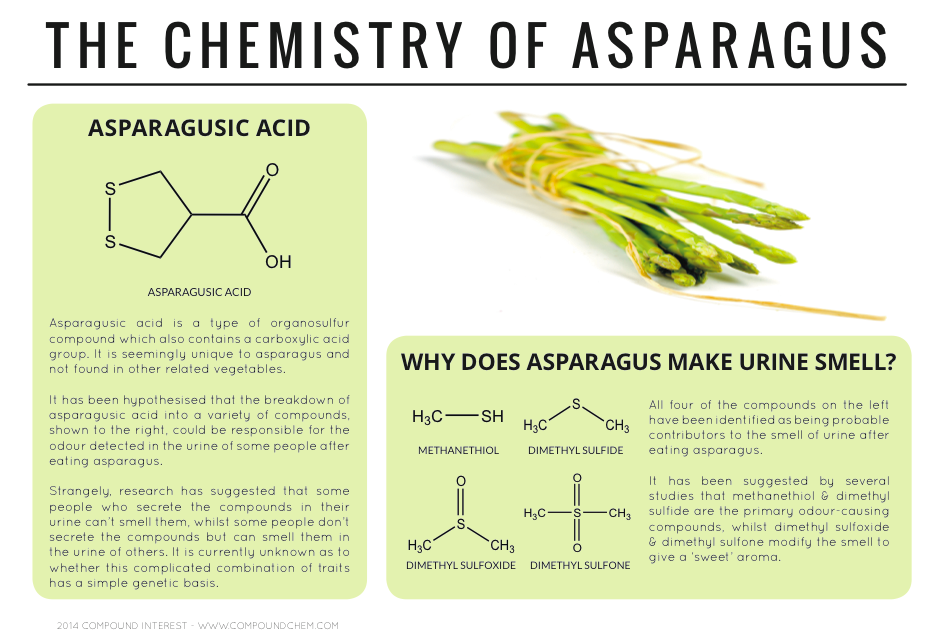
Going from smell-less veggie to smelly urine is a chemical process. According to Dr. Roshini Raj, MD, assistant professor of medicine at New York University Langone Medical Center and author of What the Yuck?!, “Your body breaks down asparagus during digestion into sulfur-containing chemicals that give your urine a distinctive odor.” The mysterious pre-smell compound is called asparagusic acid, because as far as we know, it is only found in asparagus. When metabolized, it produces several sulfated volatile chemicals.

Photo from Compound Interest: “Why Does Asparagus Make Urine Smell?” 2/10/2014

For a chemical to be “volatile” means that is has a low enough boiling point that it is a gas at room temperature. This means that the chemicals can leave the liquid urine and travel through the air to your nose. The original asparagusic acid is not volatile, so that’s why the vegetable itself doesn’t have the same “cabbage-y” smell. This smell has been noted for centuries, by some as famous a Ben Franklin. As yet, there is no way to eliminate this side effect other than by not eating this spring delicacy. But you don’t want to do that!

Health Benefits of Asparagus

Whether you grow your own or buy it at a store/farmer’s market, asparagus is a great choice when it is early spring and in season. It is very low in calories, with only 20 calories per 100 g (about 4-5 spears). It also takes your body more calories to digest it than you gain because it is high in digestion-regulating, LDL-reducing fiber. Fresh asparagus is a great source of anti-oxidants like carotenes, lutein, and xanthins, as well as vitamins like thiamin, niacin, riboflavin (all the Bs), C, A, and E. 

One cup of asparagus contains just over 100% of your daily recommended vitamin K, which helps prevent bone damage and neuronal harm, helping avoid neurological diseases like Alzheimer’s. It is also high in folate, which some people struggle to get enough of, especially pregnant mothers. Folate is necessary for DNA synthesis in all of your cells. Finally, it has several trace minerals and electrolytes our bodies need for blood pressure regulation, enzyme function, and respiration, like copper, iron, calcium, manganese, and potassium.

How to Grow Asparagus, or Choose it at the Store 

Asparagus plants are slow-growing annuals that blossom in spring. Plant asparagus crowns by early spring, after the last frost. They will grow into tall, branched stems with fine, fern-like needles called phylloclades. A fully-grown plant can reach five feet tall! The edible spears we all know and love emerge from the extensive root system, and are harvested yearly in early spring.

The first year after planting seeds or seedlings you should not harvest, but allow plants to grow. The following year and up to 25 years beyond, enjoy fresh asparagus every spring! Typically, young shoots are harvested when 7-9 inches tall. Don’t cut them below the soil, or pull them out with your hands, as they need to regrow next season. You can create “blanched” or white asparagus by mounding soil around shoots as soon as they emerge, preventing sunlight from allowing photsynthesis. They will have a lighter, delicate flavor but no chlorophyll benefits. 

While asparagus may be found in stores year-round, it is in season and at its peak in the early spring (Jan-June). Select stalks which are plump, not withered, and a vibrant green (unless you buy the white kind). Make sure the tips are tightly closed. Avoid wide ridges in the stems, dull color, or dried-out looking ends. This indicates old, tough stalks or too long in storage between harvest and shelf.

How to cook asparagus

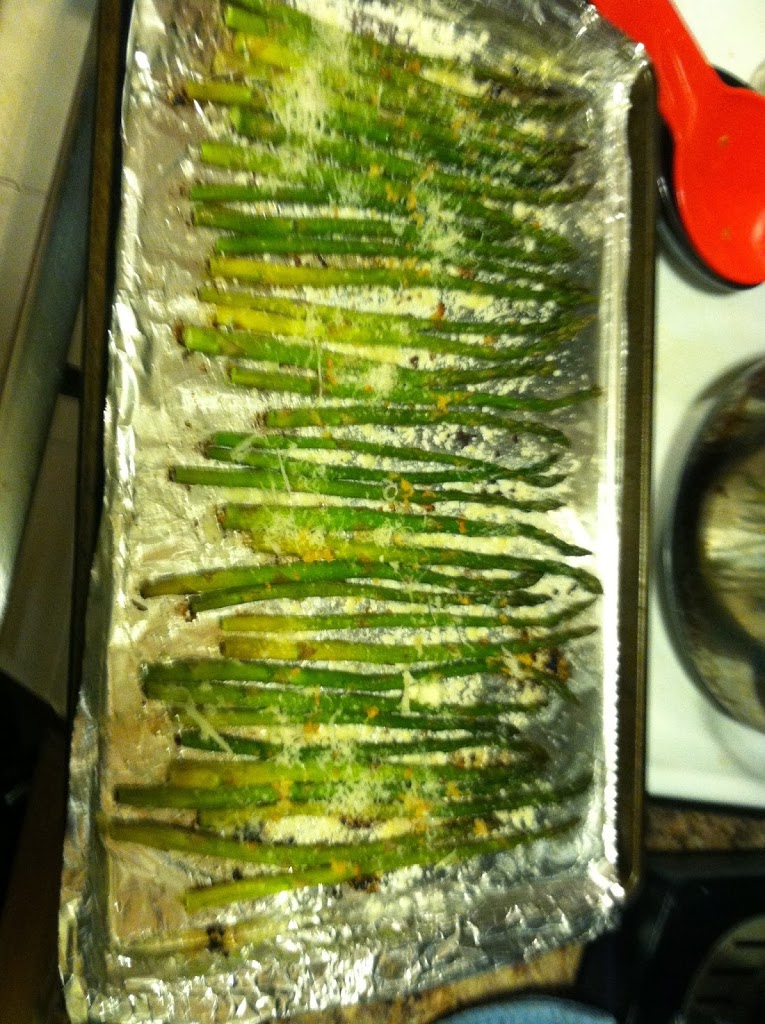
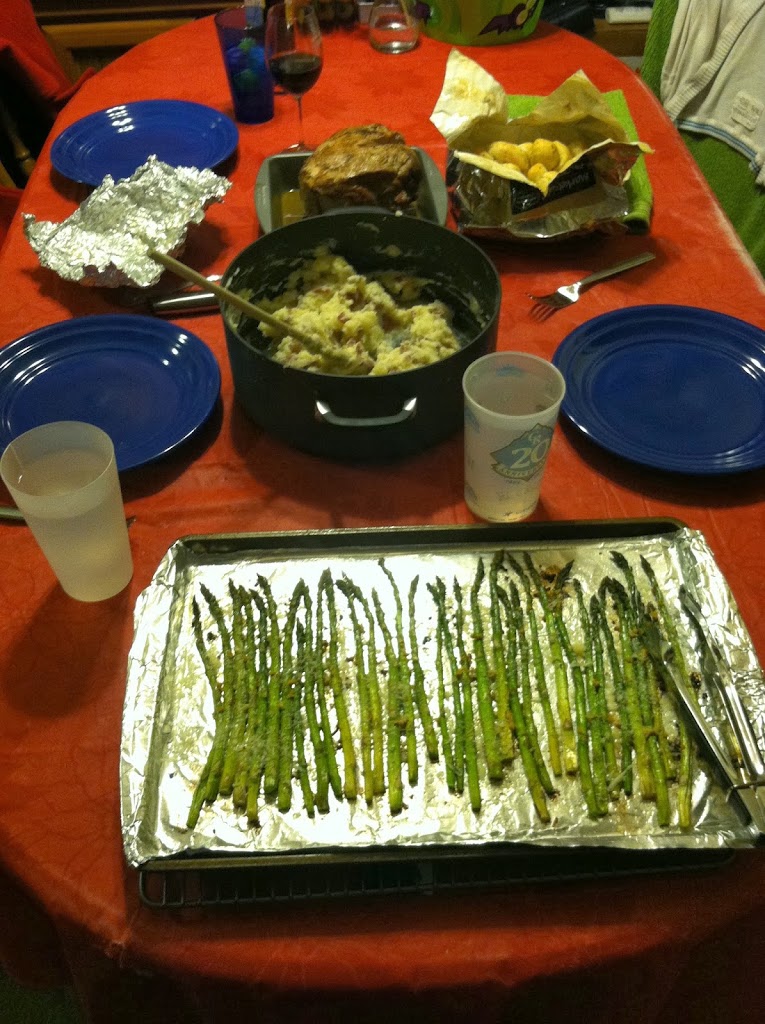
Asparagus can be eaten raw, and often is alone or with part of an appetizer. There are several methods to cook: gently steam for 10-15 minutes, bake, or pan fry with a bit of oil. Italian dressing makes a fantastic marinade to fry stalks. You could also drizzle on olive oil, seasoning, and bake them in an oven at 400 for 20 minutes. Sprinkle with some fresh Parmesan cheese to really make them sing. Try it in Vegetarian Stuffed Peppers, as a topping baked on a pizza, or in a Breakfast Strata.

Boiling is the least favorable option, only because it pulls some of the beneficial minerals and vitamins out and you lose those in the cooking water. But you will still get a lot of the nutrients as well as the fiber. However you cook your asparagus, enjoy it now while it’s at its peak!


To read more: 

Everyday Health: “Why Does Asparagus Make Pee Smell Funny?“
Smithsonian: “Why Asparagus Makes Your Urine Smell“
Today I Found Out: “Why Asparagus Makes Pee Smell“
WebMD: “Why Your Pee Smells Funny After Eating Asparagus“
SELF Nutrition Data: Asparagus
World’s Healthiest Foods: Asparagus
Nutrition and You: “Asparagus Nutrition Facts“


What’s your favorite way to eat asparagus?


How to: Soothe a burn with Aloe vera

.
If you spend much time in the kitchen, odds are you will experience a burn at some point. Whether you grab a hot pan without an oven mitt, misplace your palm on a lit burner, or have issues lighting a grill, cooking is fraught with hot objects which have the potential to come into contact with skin. You could spend money on burn treatments sold in stores, or you could have one of my favorite houseplants: the aloe vera. It is an attractive succulent, easy to care for and proliferative if taken care of, and it has practical use.
.
First recognized by the Egyptians for its healing properties, there are several species of aloe vera. There are several hundred species alone in the genus “Aloe”. The “Aloe vera” is of course the most commonly known houseplant variety. The Aloe vera is actually only existant in cultivation, having no known native wild locations. There are some closely related species in Africa. Many many species of Aloe exist, with varied colors, temperaments, and locations, which you can purchase online or read more about here.
.
Most aloe species produce two natural products, a gel and latex. The gel is the sticky, gooey substance that “leaks” from cut leaves. Aloe latex comes from just under the skin of the leaves, and is yellow in color.  It is typically the aloe gel that is used to treat sunburn and other minor skin irritations. WebMD states: “Some chemicals in aloe gel seem to be able to increase circulation in the tiny blood vessels in the skin, as well as kill bacteria. “
.
The scientific evidence of aloe as an anti-inflammatory and anti-bacterial agent has been mixed. A pair of articles in the NYTimes summarizes some recent studies and their mixed results. Nonetheless, many generations of housewives have vouched for the faster healing times of minor burns and cuts due to heat, friction, or electricity by using the aloe gel. Since I always keep an aloe or three around the house, I am a strong believer in the “why not” philosophy. It certainly can’t make the burn take longer to heal. 
.
So get yourself an aloe (they are cheap at garden centers, or ask a friend who has one for one of their sprouts next time their plant has a baby) and keep it around. Needing water only once a month or so, even the blackest of thumbs should be able to keep it alive. And next time you grab that cast iron pot handle after being on a burner…
 

My kitchen aloe plant

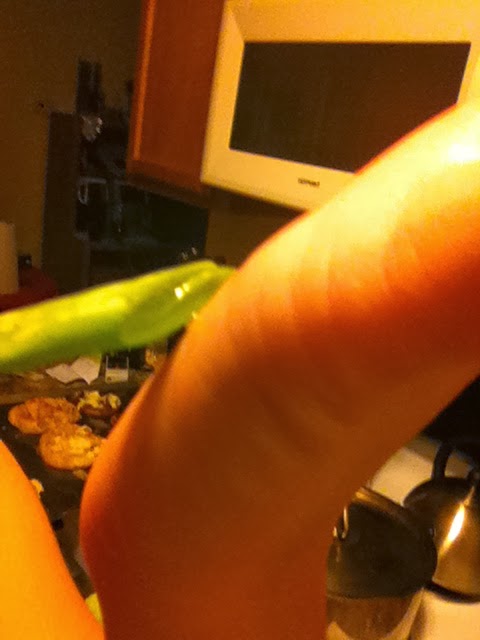
I burnt myself a little on my outside palm on a hot pan

Cut a piece of stem off, about 2-3 inches. Squeeze it, and some gel should ooze out.

Rub the aloe gel over the burn side to side, covering all of it generously.

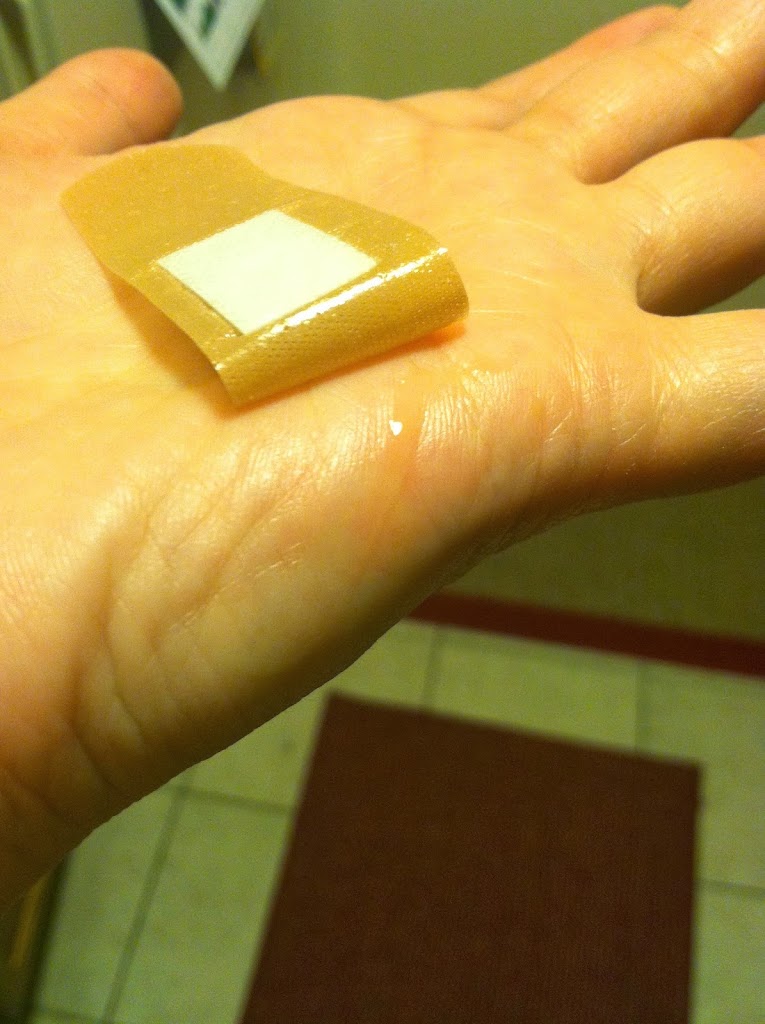
Cover the burned area with a bandage to keep out infections, and wait. This tiny burn was almost completely healed within 48 hours.

Barely a scratch. Since my alternative option would be to treat this burn with nothing, I am glad I had my trusty aloe plant. I’ve also tried beverages which have aloe in them, claiming to aid in digestion and be all healthy… it’s a little weird having chewy chunks of aloe in your water, but hey, maybe it works for you. I’m gonna stick with healing burns faster.

Soups for the Super Bowl


Happy Super Bowl Sunday, world! 
Today the Denver Broncos meet the Seattle Seahawks at MetLife stadium in New Jersey, far from either team’s hometown. And in case you missed it, yes, both teams are from state which have recently legalized marijuanna. However, the game is not being played in a state which has that legalized, so fans beware. Also, I’ve never heard it being accused of enhancing performance in sports, so anyone who thinks that is unfair clearly doesn’t know its effects.

Photo from the Up & Under Pub website
 

Regardless of who you are rooting for, you are likely either at home with a huge buffet of finger foods, or going to a pub/bar with copious amounts of burgers, chicken wings, beer, and french fries. And, may I say, I am jealous. Since I will be home, working on a midterm exam for my neuroscience course. Nonetheless, as a Denver transplant, I think I’m legally obligated to say, Go Broncos! 
.
Once the game is over, and the dreaded Monday rolls back around, all the office gossip will be who caught what pass, how many touchdowns were scored, and which commercials were the funniest/best/worst. And it’s likely many will have a bar food/beer/ buffet hangover.

The Big News!

Not to worry, just in time for the Super Bowl I’ve rolled out my first ever e-cookbook, and this one’s on the house! Seven Souper Soups, packed with recipes like my spicy Mexican-inspired Chicken Tortilla, the classic winter Butternut Squash Soup, hearty yet healthy Sausage and Kale, thick & creamy Baked Potato and more! Including a bonus Peach dessert soup, and cover drawing by Mike over at WebDonuts comics.

So if you would like a copy of 7 Souper Soups for your very own, I’ve added it to my Google Docs and made it public for anyone to view and comment on: 

You can also email me at BudgetEpicurean (at) gmail.com and I will send you the PDF as an attachment. I hope you enjoy these favorite recipes of mine and share with family & friends. Enjoy today’s festivities, and keep coming back for more! There are several projects in the works, so keep an eye out.